
Back of Beyond
[Process Journal]
Introduction:
The goal originally was to make a book cover for the novel: The Fifth Head of Cerberus by Gene Wolfe
The novel is a collection of three interconnecting novellas mainly about the environments of two sister planets, St. Croix and St. Anne. It deals with themes of colonialism, cloning, the transformation of identity and purgatory, primarily through the ambiguous status of a native alien race.
As of writing this, the date is June 6th, 2026, and it has been a day since I wrapped up this project I first began on May 22, 2026.
After my previous 3D project, I’d gotten a lot more used to Blender workflows and so initially I wanted to apply all of that experience into an illustration.
I
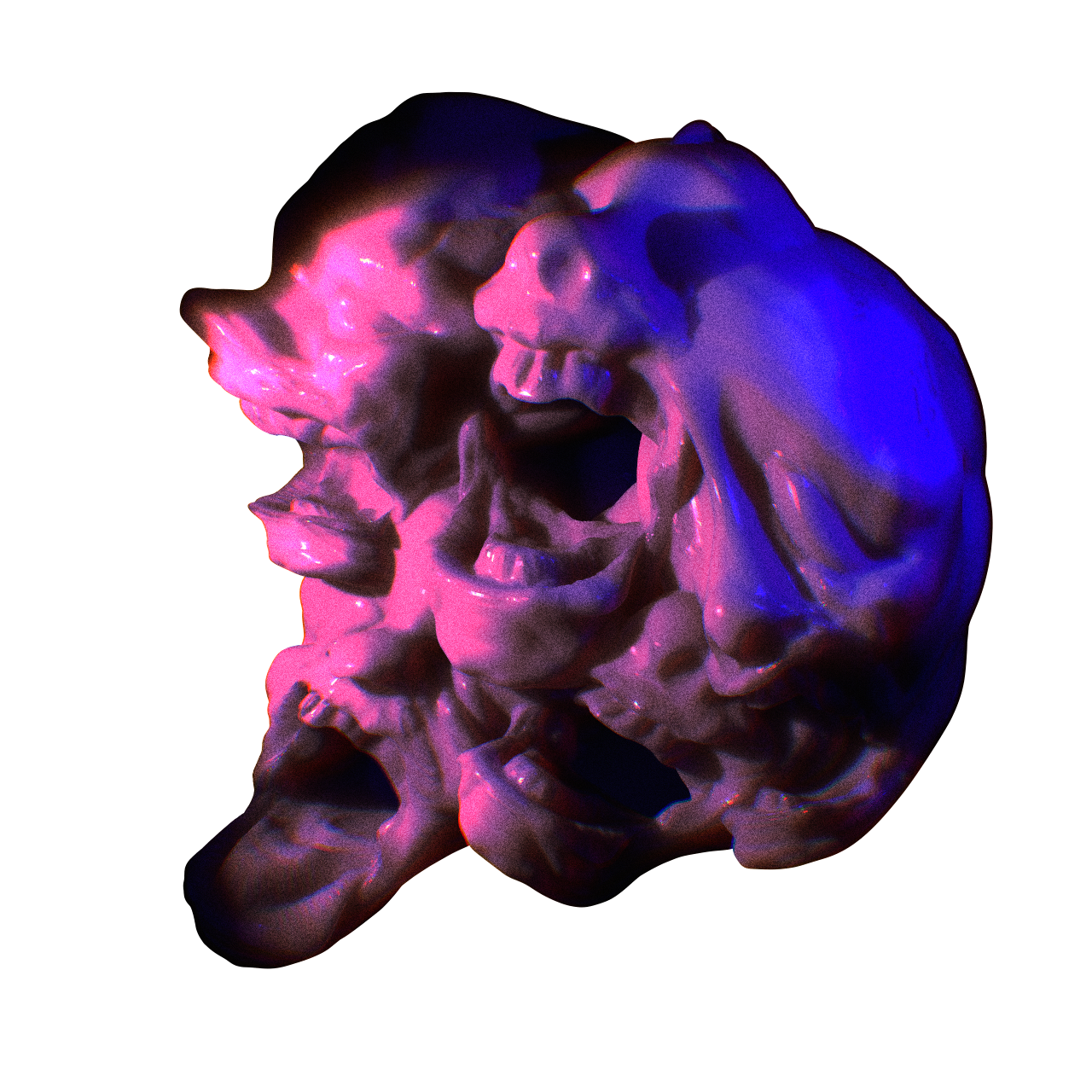
This is what I came up with originally for that cover. Made in Nomad Sculpt.
While I was pleased with the result, I made this in an evening and the amount of thought I put into the novel’s story made me want to do more with it. Also I wasn’t too excited to think of the text to accompany the image.
I wanted to use Blender too, and though I’m still pretty scrappy with using it, I just had to go with whatever past experiences I’ve had doing illustration and comics. I’d not done a proper “movie” before but I’ve always loved watching them.
This method may be a little reckless but the amount I learn with each attempt is immense and deeply satisfying.
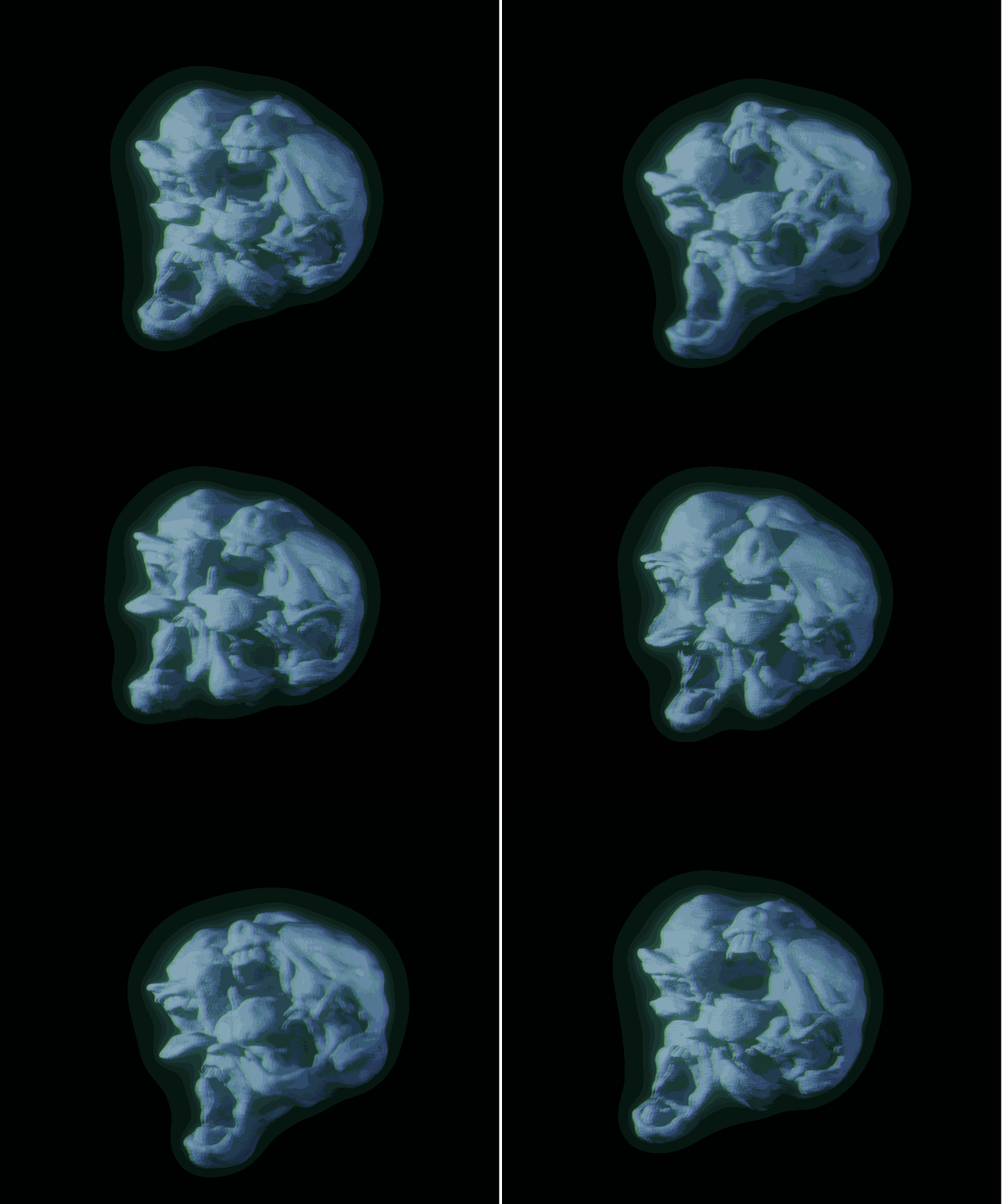
I repurposed the heads and made this animated GIF instead.
Compositing and animation done in Blender.
Animation done with the Keymesh plugin and Simple Deform modifiers.
Here are some covers made for the novel, for reference.
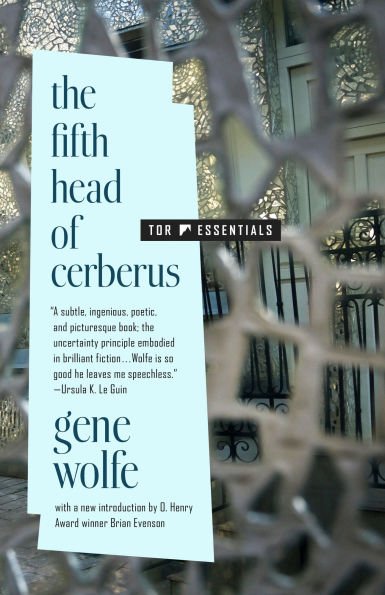
This is the one I own.
This one is unironically my favorite for obvious reasons.
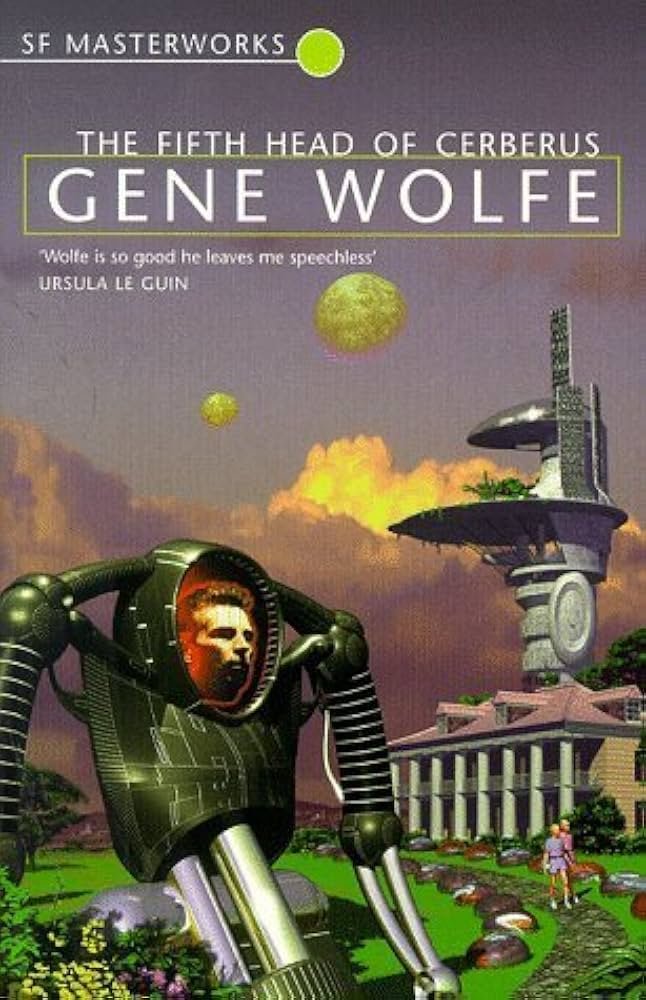
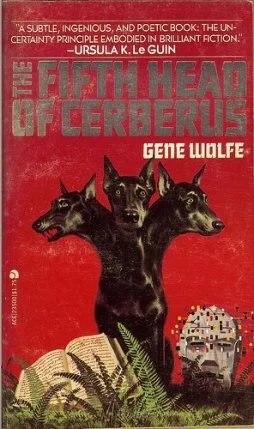
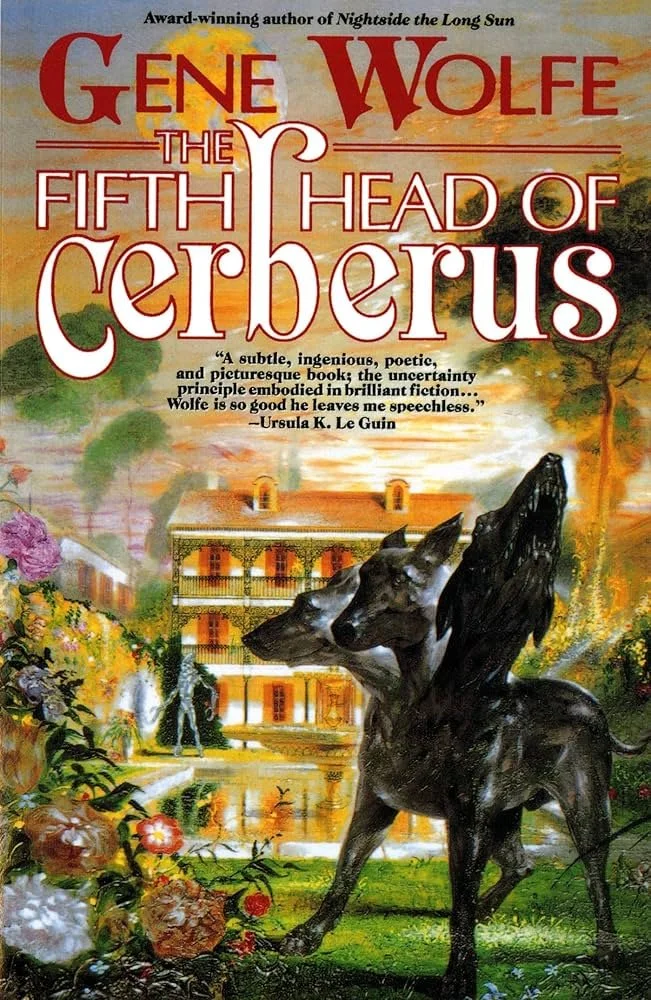
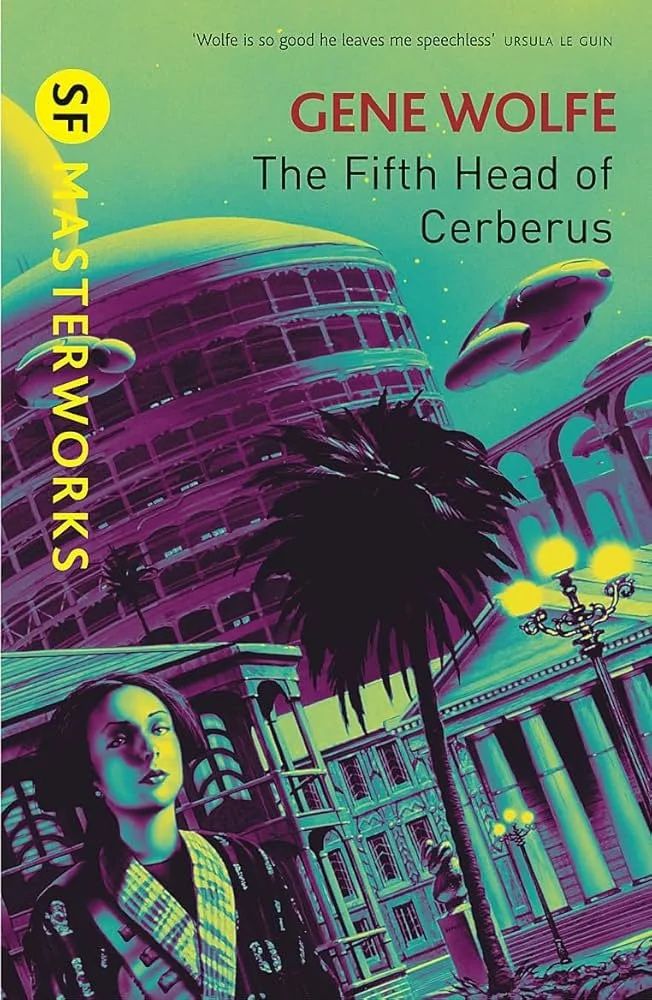
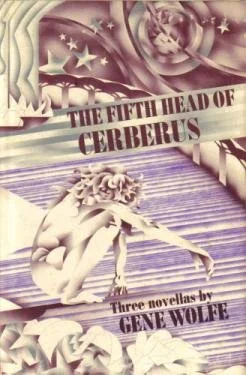
Wolfe’s book covers often don’t reflect what makes his stories so interesting. The mystery and pathos especially. But all things considered, these last four are still pretty cool. The Ace edition particularly.
Character Design:
I decided I wanted to make something more narratively-driven, where I’d be allowed to apply what I had learnt working with Blender for the past two and a half months. I had seen Tippet Studio’s Mad God recently and wanted to hit a not dissimilar vibe.
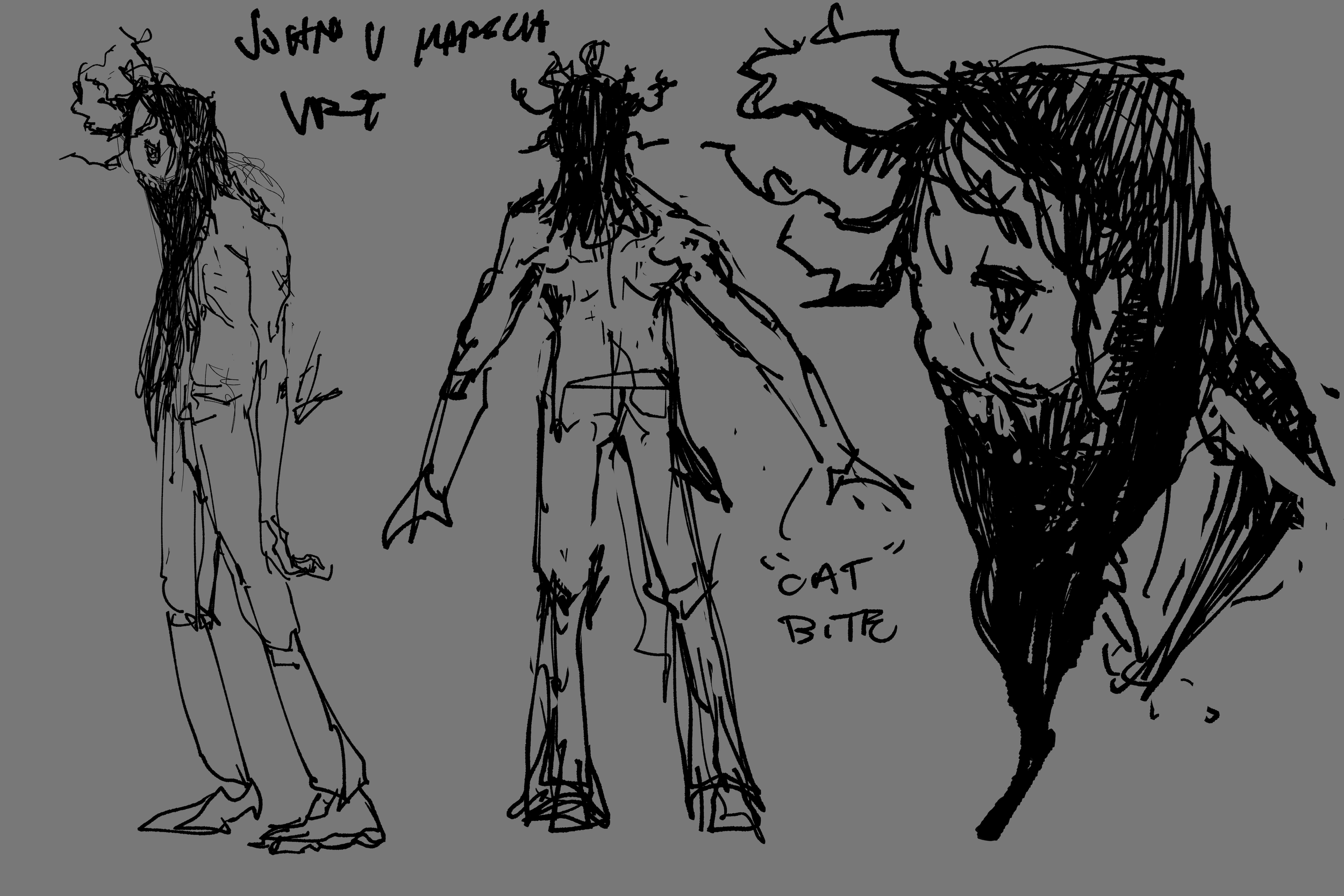
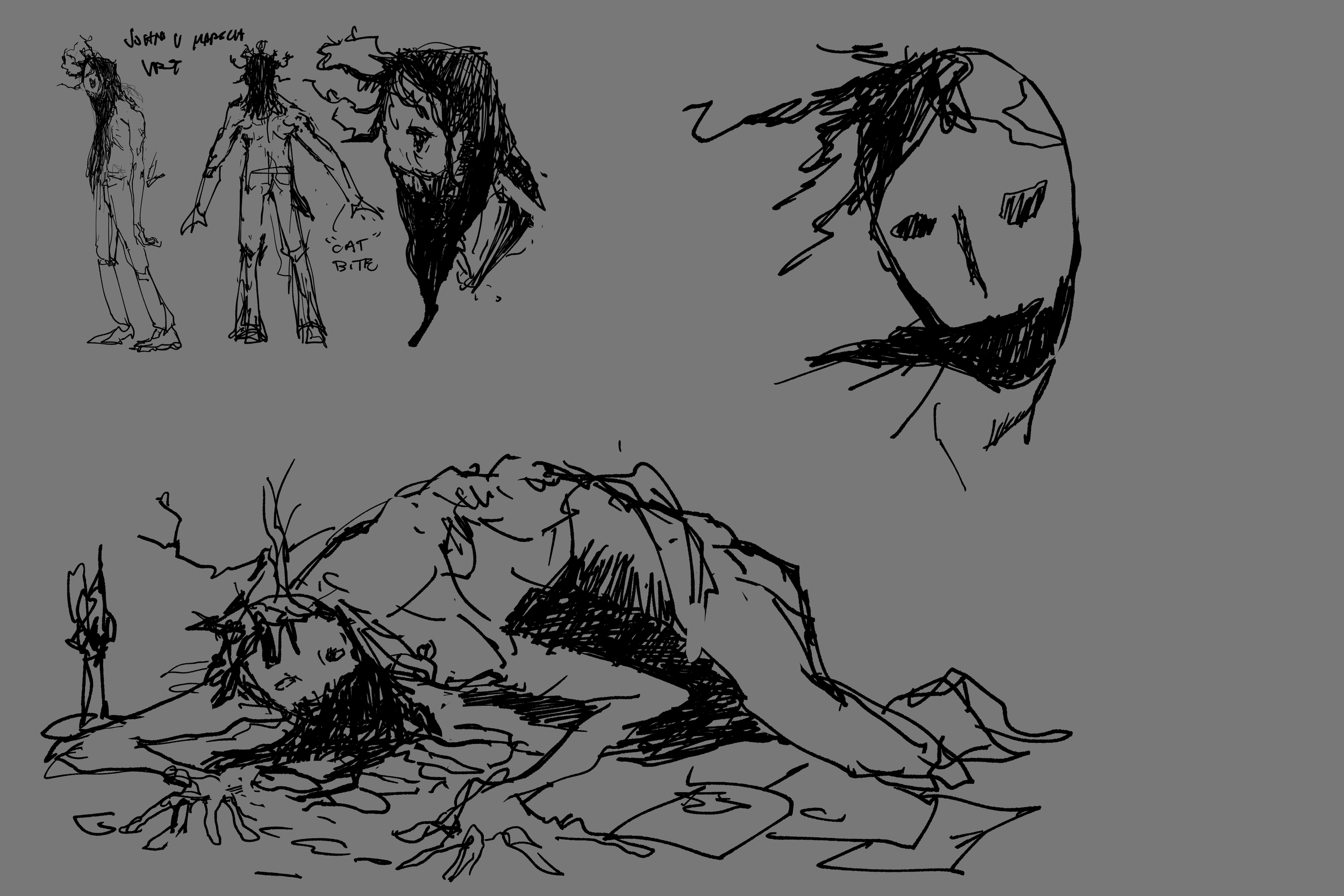
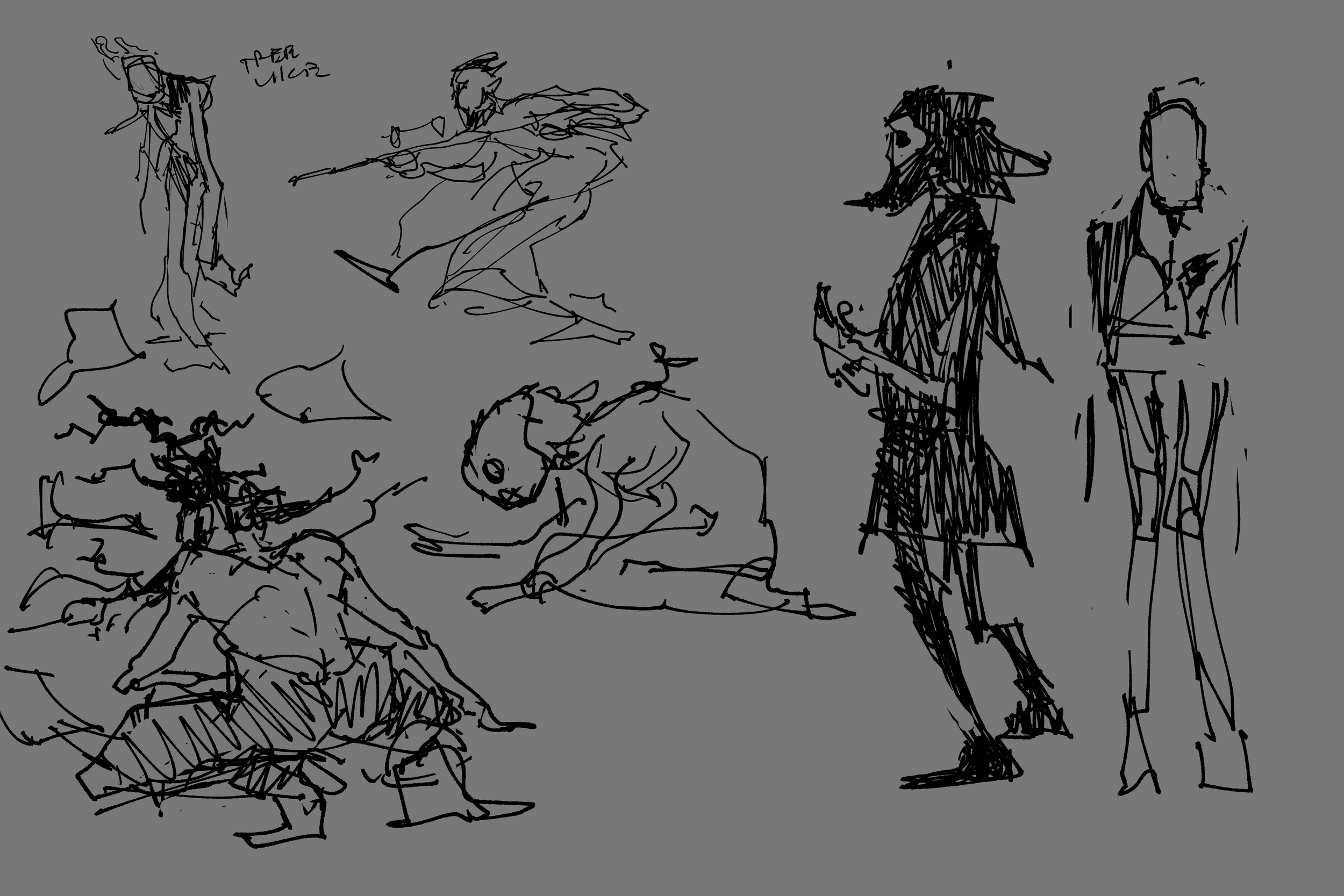
SPOILERS*
These are sketches of the novel’s second narrator, Dr. John V. Marsch. He is an anthropologist from Earth who, in the third novella VRT, may have replaced, or been replaced by, a boy named Victor R. Trenchard.
V.R.T was born on the planet St. Anne and believes himself to be an aboriginal. The natives of St. Anne are kept vague in terms of what they actually are. There’s a possibility they have supplanted humanity through imitation, are shapeshifters, microbial lifeforms or trees.
He is described as having uncharacteristically green-eyes, pale to the point of implying deformity and having a dark beard (the beard is one element I dialed back on significantly later).
Dr. Marsch spends most of his time in the novel, being imprisoned and losing his sanity. I imagined his identity as having been a mix of both himself and VRT and so I tried combining the uncanniness of a shapeshifter, Marsch’s assumptions of the aboriginals, and the resulting insanity of his kafkaesque imprisonment.
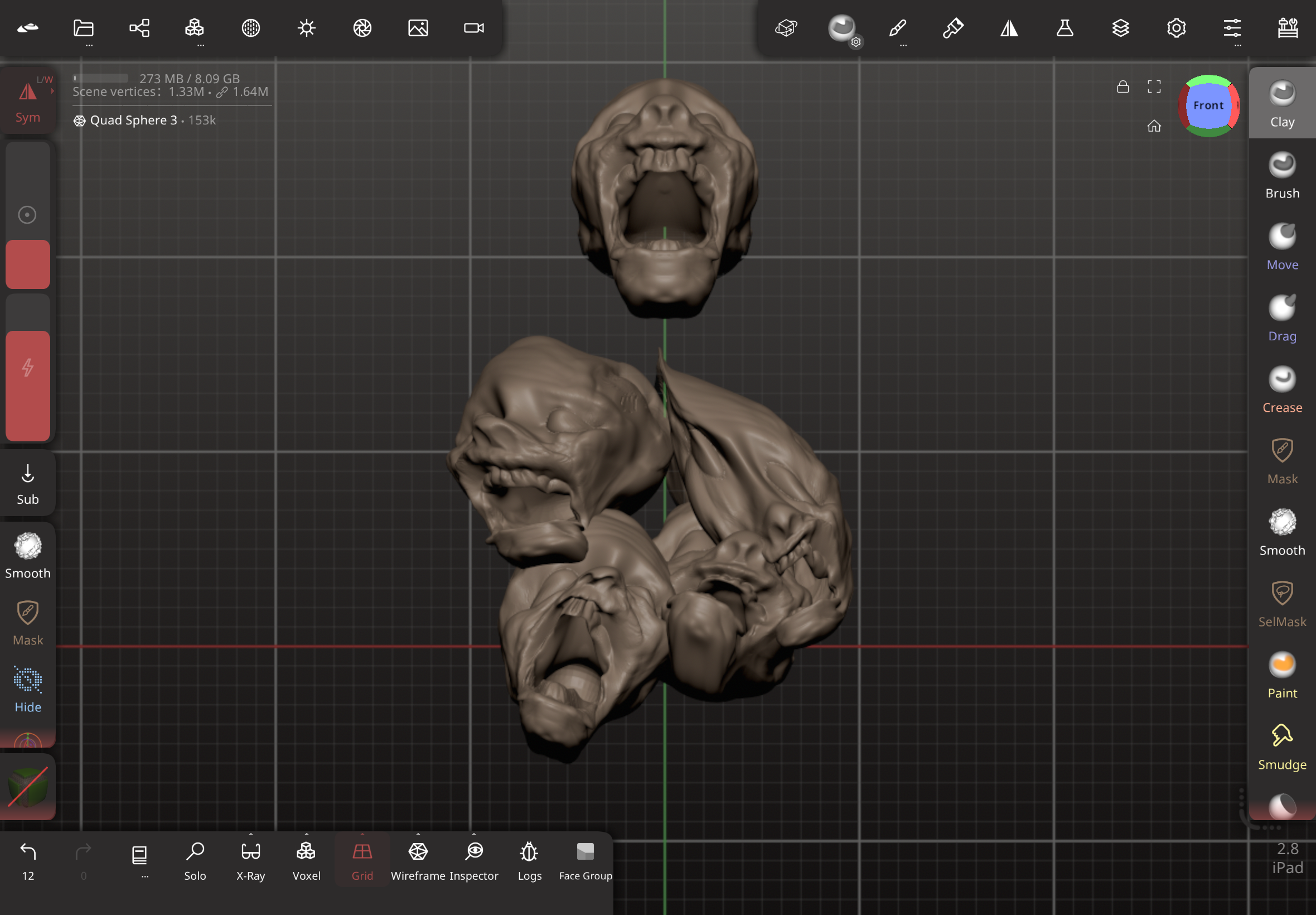
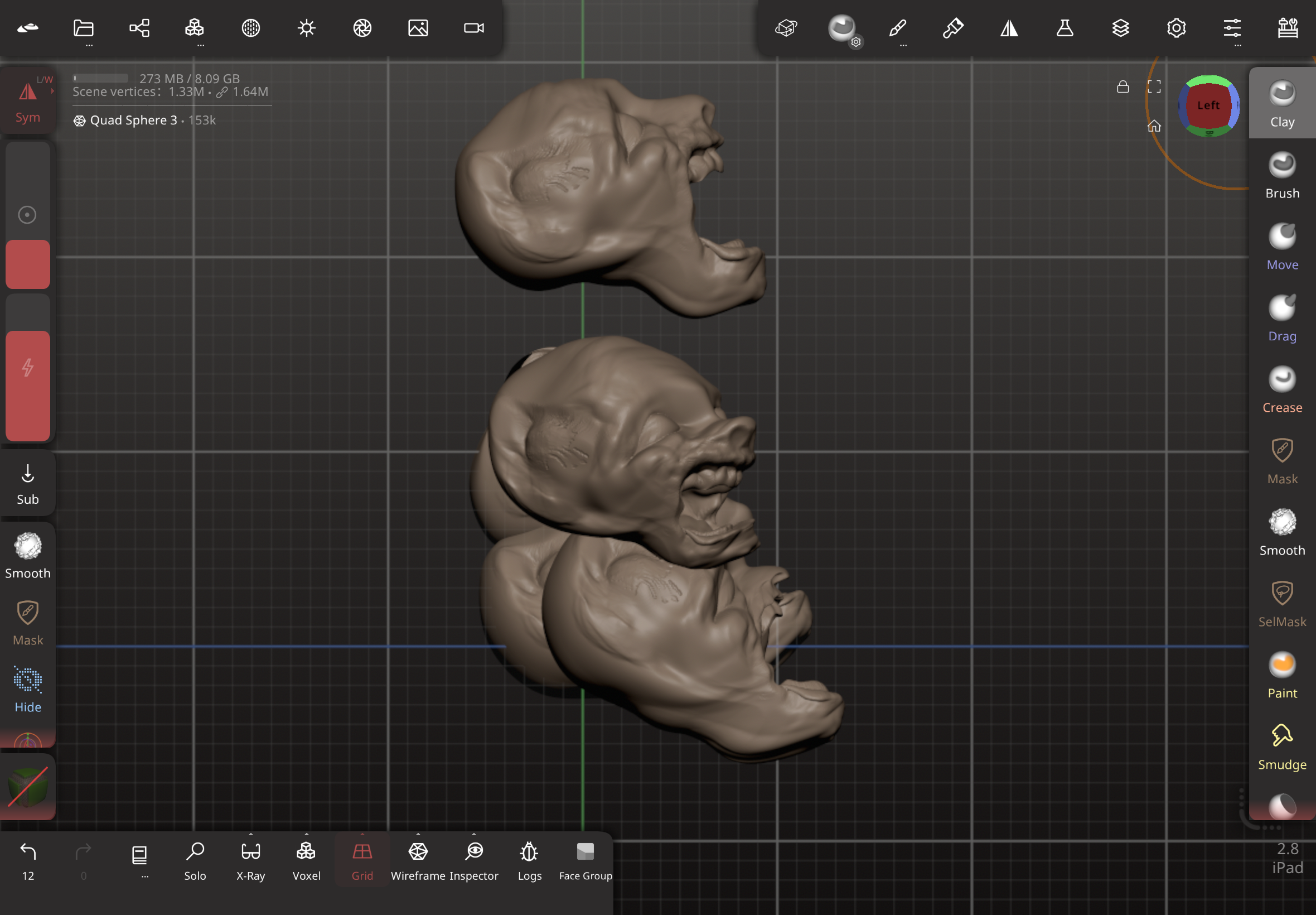
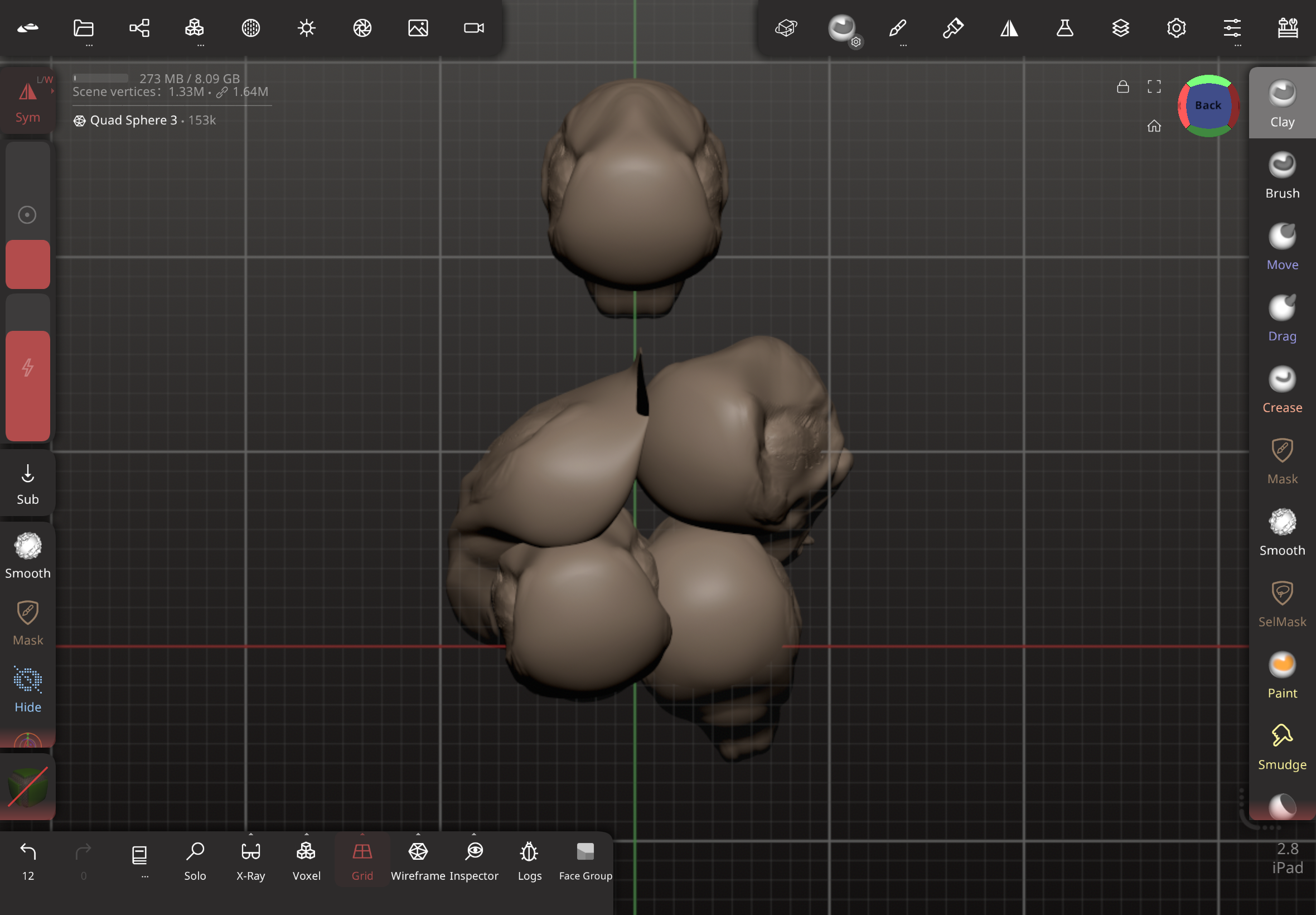
These were the ideas that had been going through my mind while sculpting those aforementioned heads. I always had a sense that Marsch was becoming unrecognizable to how he once was and so I wanted to express the pain that would have been necessary to have such an intense transformation. The people of St. Croix are also noted as having a “planetary face". Many parts of the book could be described as hellish. So homogeneous screaming husks were what I wanted to depict.
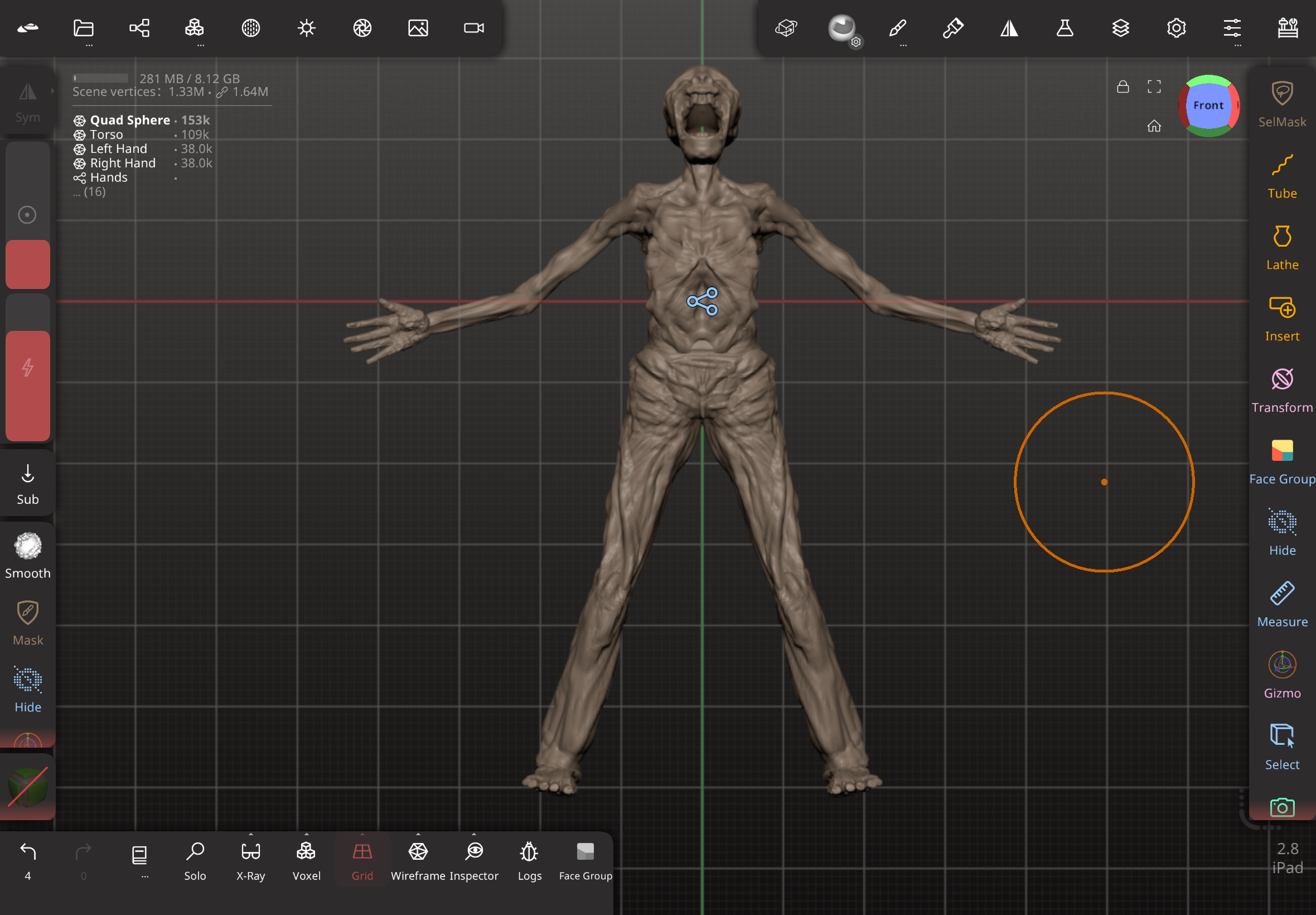
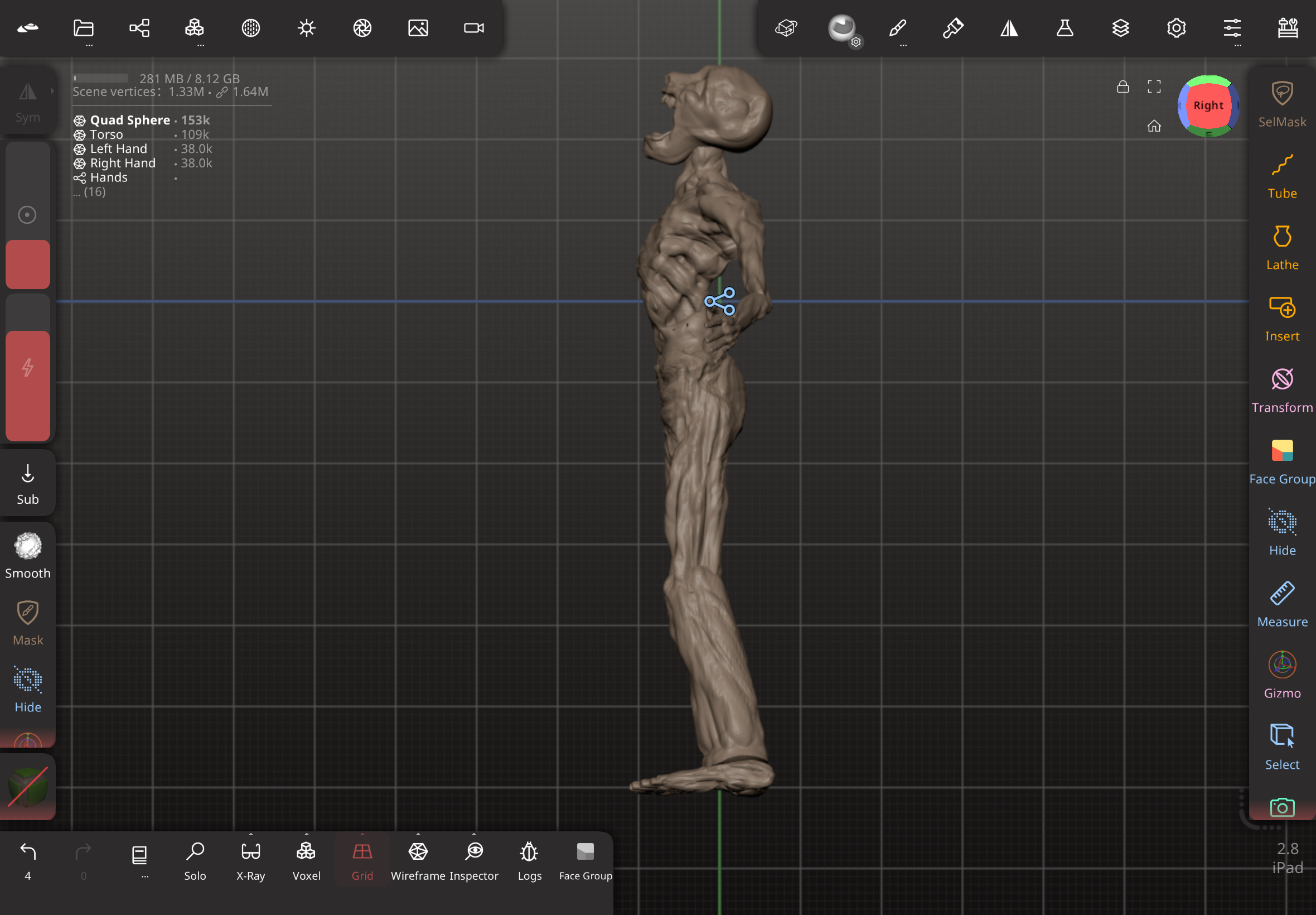
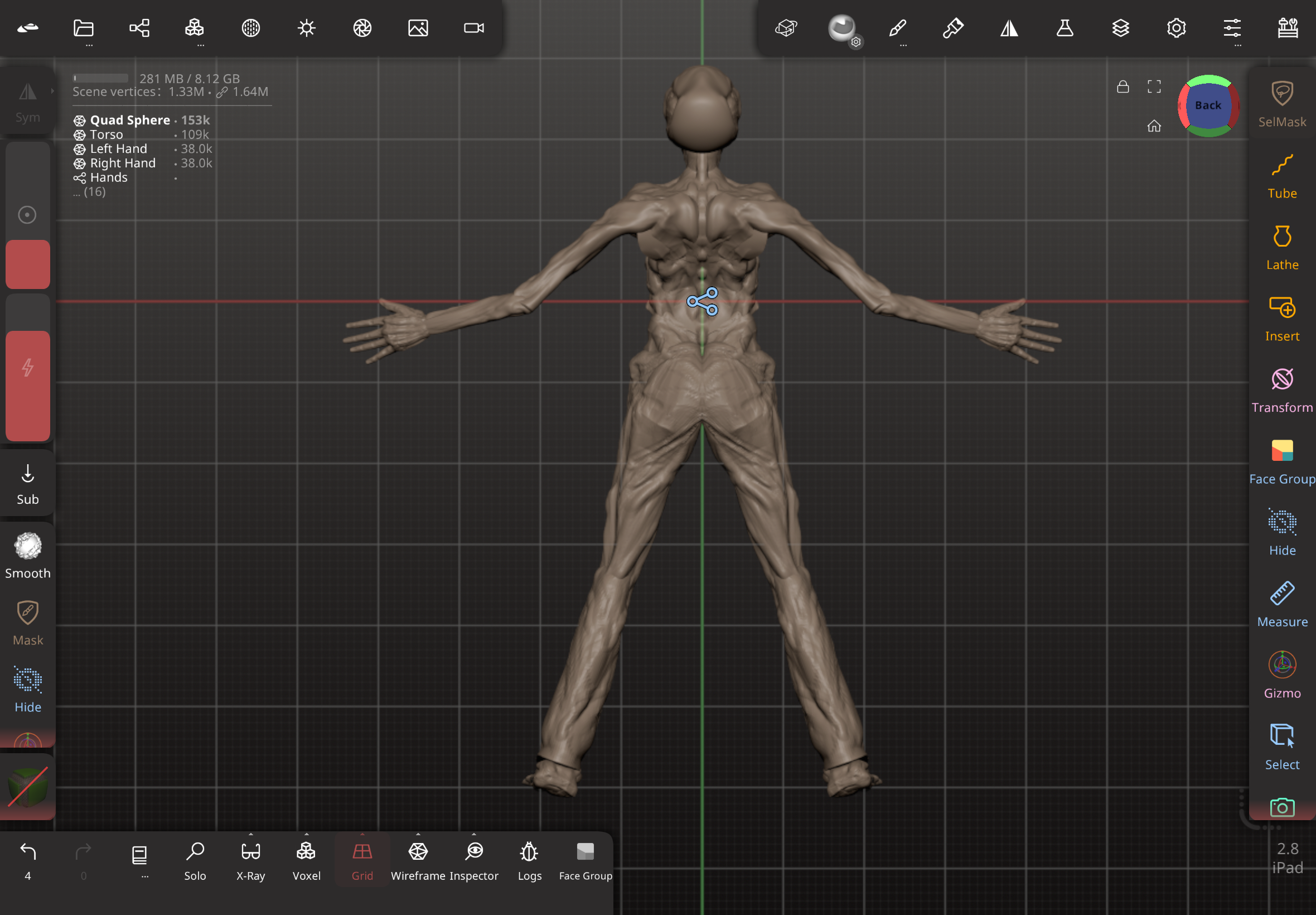
Based on the sketches, I sculpted the body too. Always fun to exaggerate muscles and skin wrapping around protruding bones.
Unfortunately, floating heads wouldn’t be enough to carry this kind of story…
Initially, I wasn’t going to rig him because I didn’t think I’d have to do much complex animation. So each of his joints are all separate pieces of geometry that I planned to just puppet around and deform.
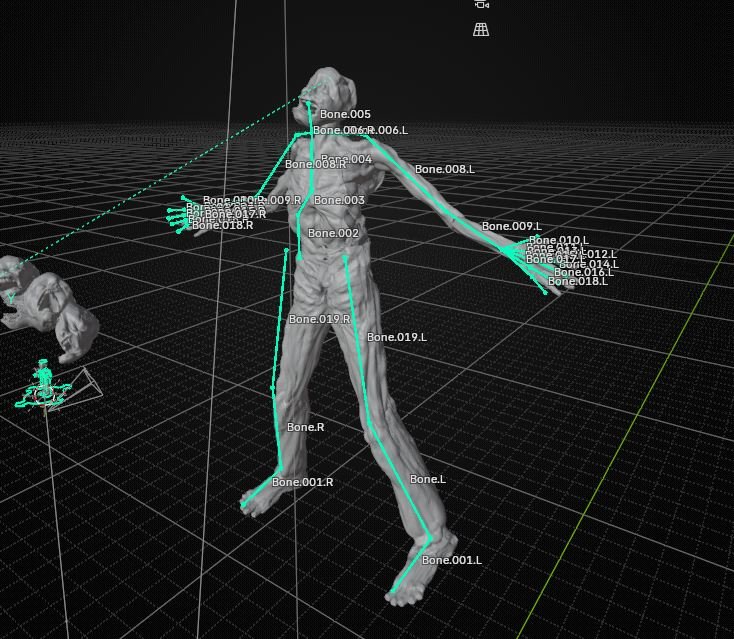
Realizing it would be more difficult to transform each individual joint, I decided to bite the bullet and rig his body. The shots were never that complex and really, I just needed him to sit. I tried animating him walking and that didn’t look good (I even tried rotoscoping myself). In the end I decided that him being mostly stationary could work as the narration is more introspective and could sell his loneliness way more. I also watched Thomas the Tank Engine as a kid and I like how they used limited animation; mostly just cuts between static shots.
Dr. Marsch is unfortunately highly unoptimized. I skipped retopology to save time on the project and he is painted with mostly automatic weight painting. The weight painting especially had to be amended manually because of the bad topology.
For the purposes of this project, my poor rig did its job.
I will probably never work in this manner again. Unless its for a smaller and specific piece of geometry or if the scale of the project is significantly smaller (like a GIF or animated illustration).
Storyboarding:
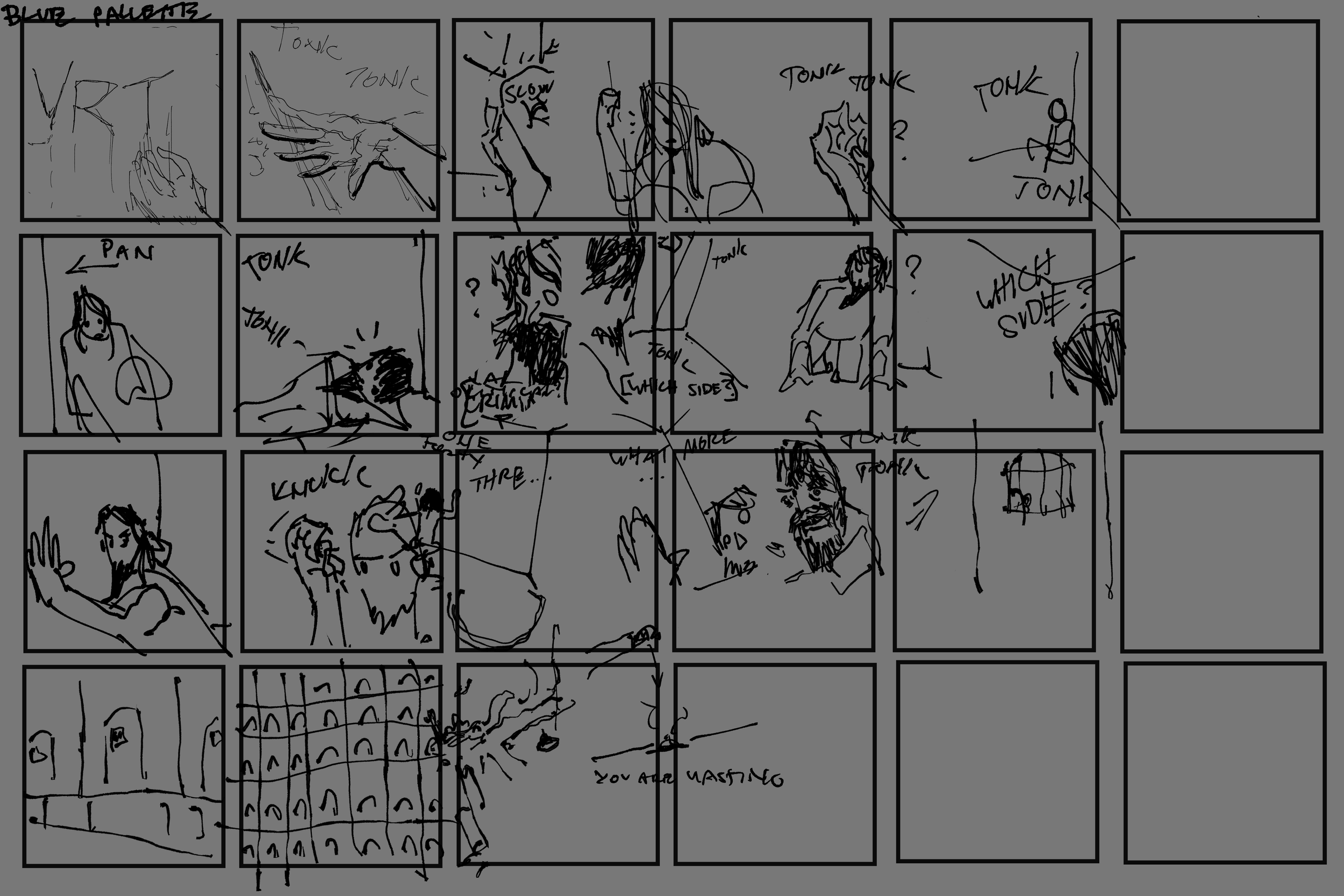
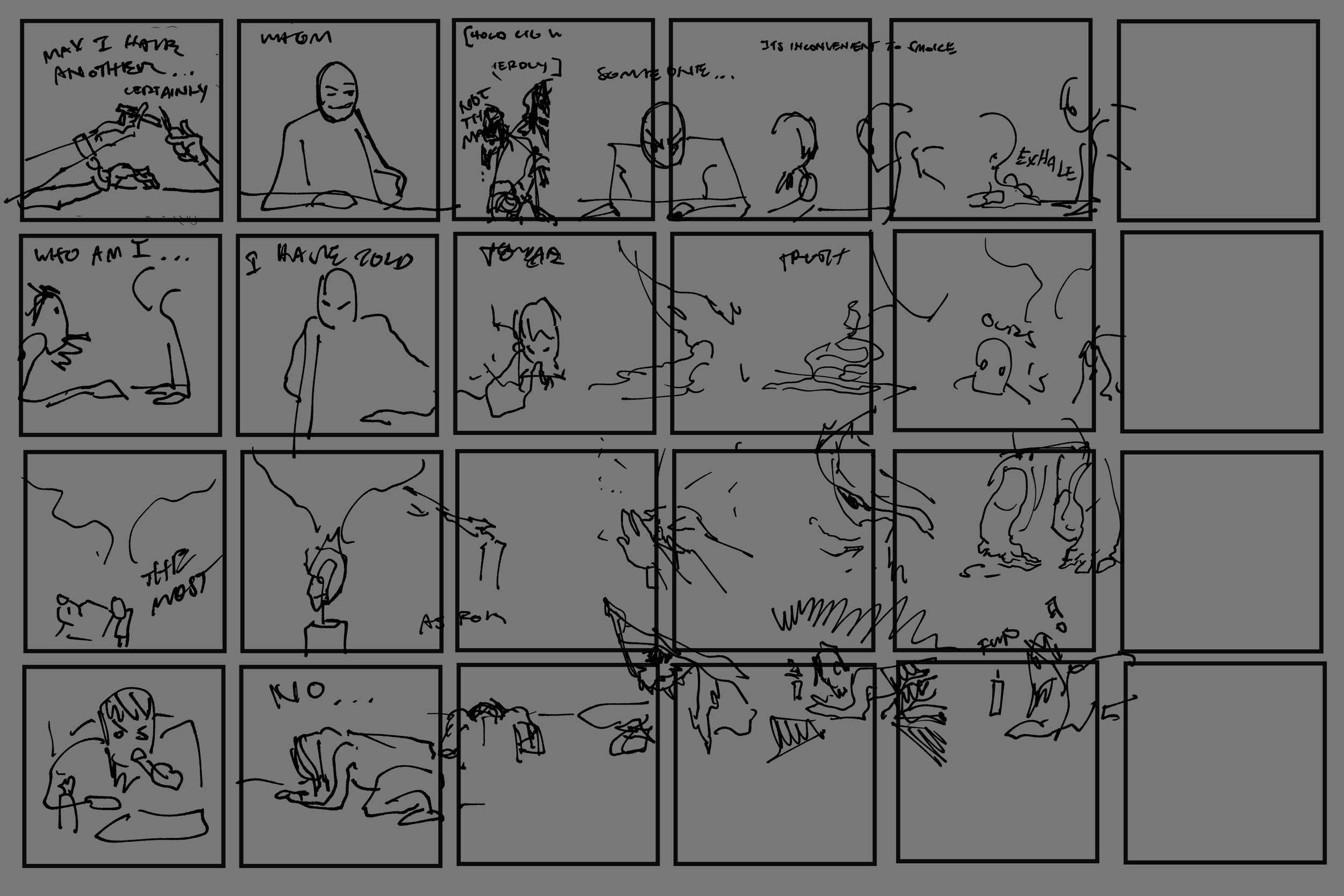
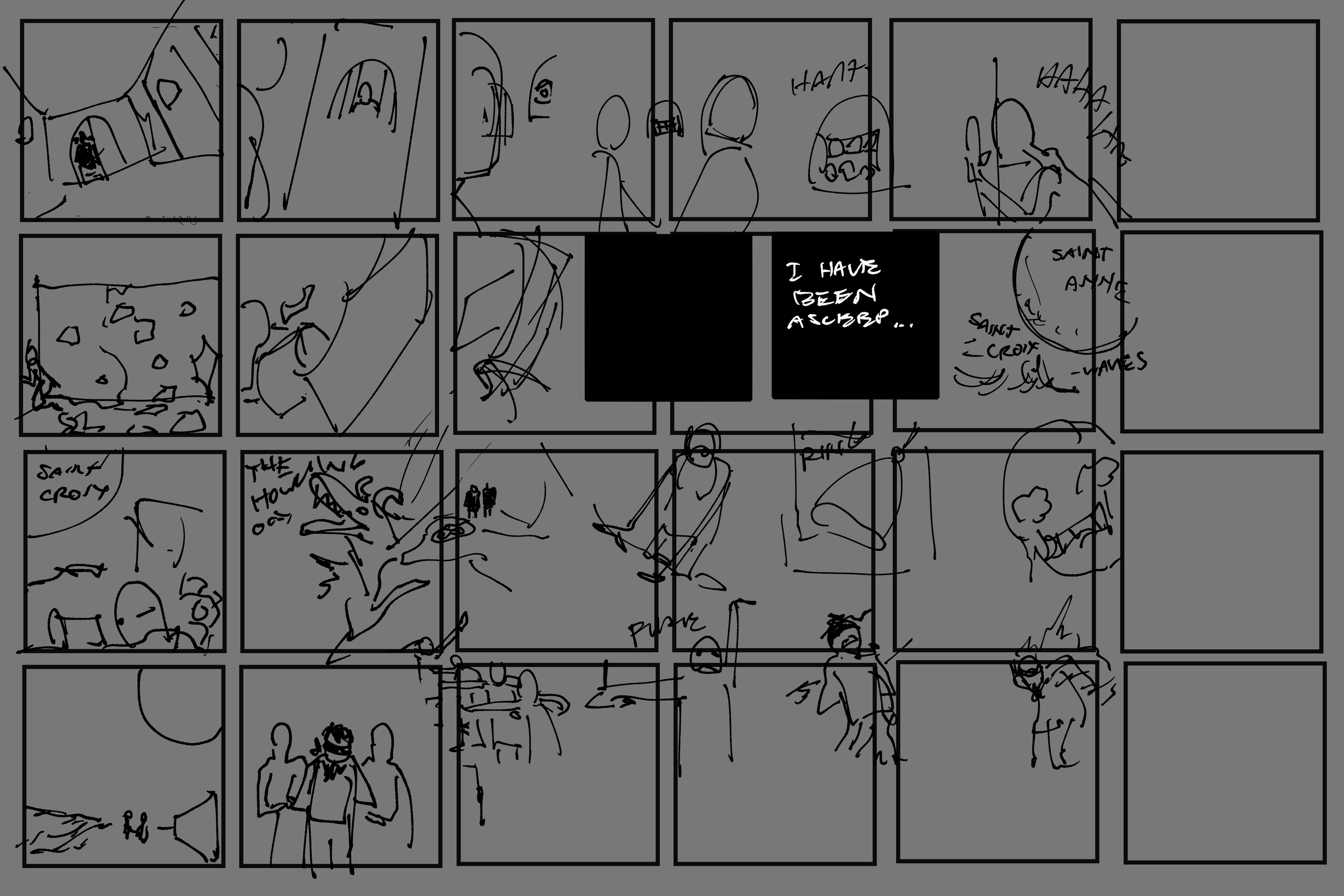
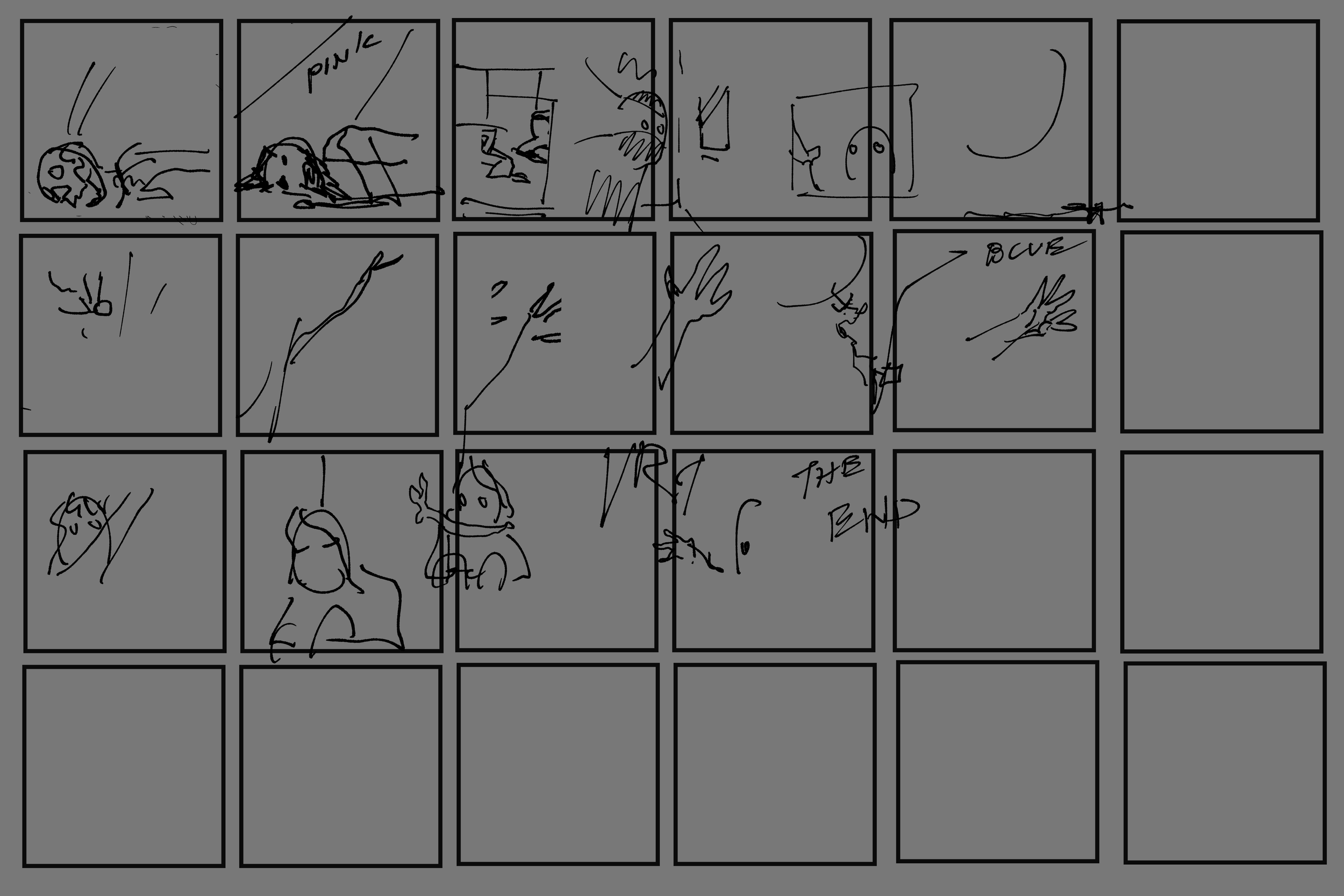
These are probably unreadable to anyone but myself.
The original storyboard told parts of the novella, VRT, in a much more complex manner. Multiple sets, characters, complex shots and long stretches of dialogue.
Obviously, this couldn’t fly but sometimes I find I have to quickly expel ideas I feel (at first) very confident and excited about. Making them tangible to an extent gets those delusions out and enables me to be more pragmatic and specific with the direction I want to take. Time is unfortunately on budget and how much I invest in this step varies from project to project. I’d say with this one, I had a reasonable amount of time to invest in developing the storytelling.
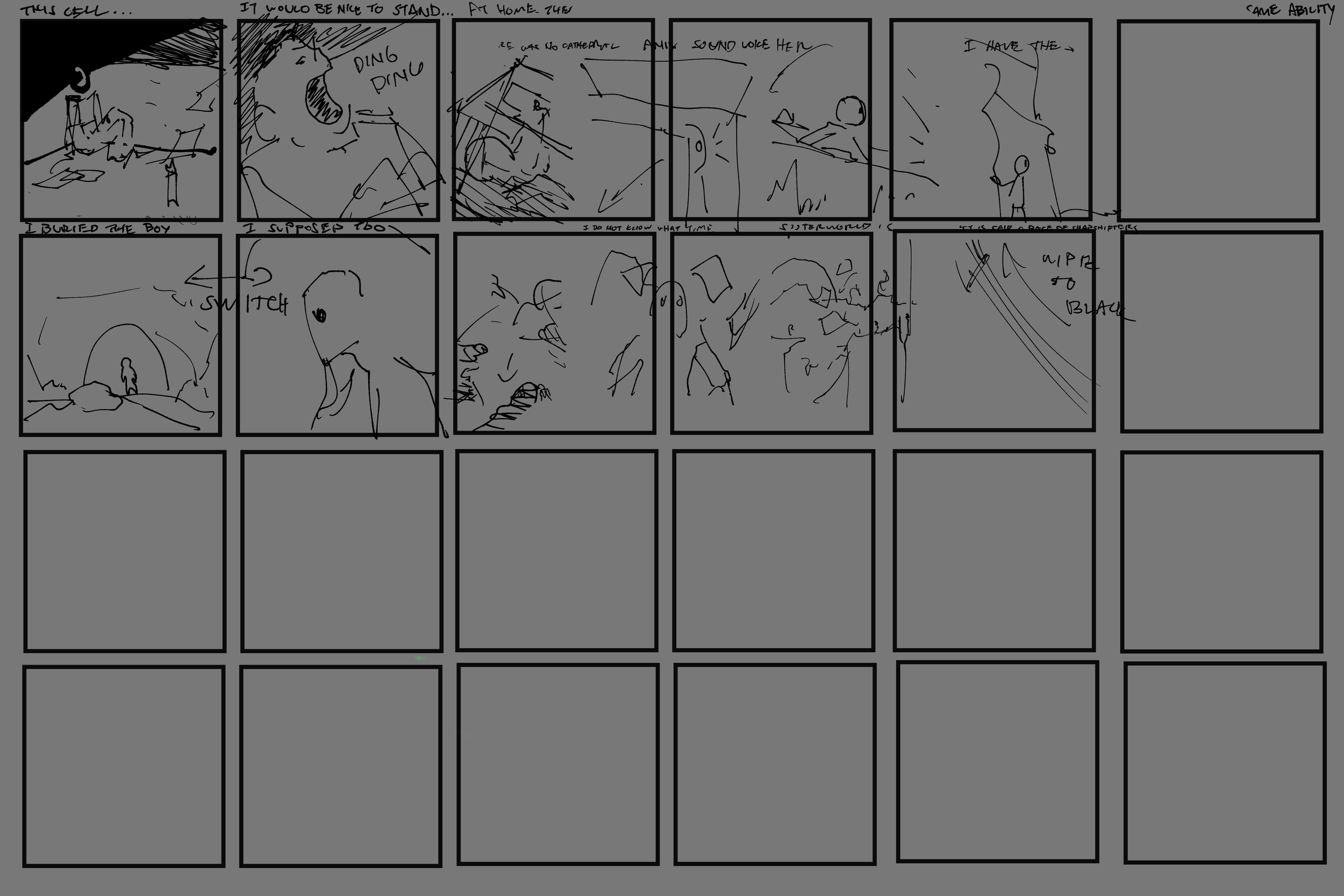
See how significantly shorter the final boards are?
Fortunately since I don’t have to communicate these ideas to anyone but myself for this project, I didn’t have to develop them far. Mostly, these were so I could have an idea for the shot compositions.
While working on these, I also placed different sticky notes in my copy of the novel to mark different scenes I could cover and the dialogue accompanying that.
Even a lot of this got cut short. My process for narrowing these shots are in the next step.
Longer projects like these really do feel like the sum of all the compromises I end up taking. Not always a bad thing!
Set Design:
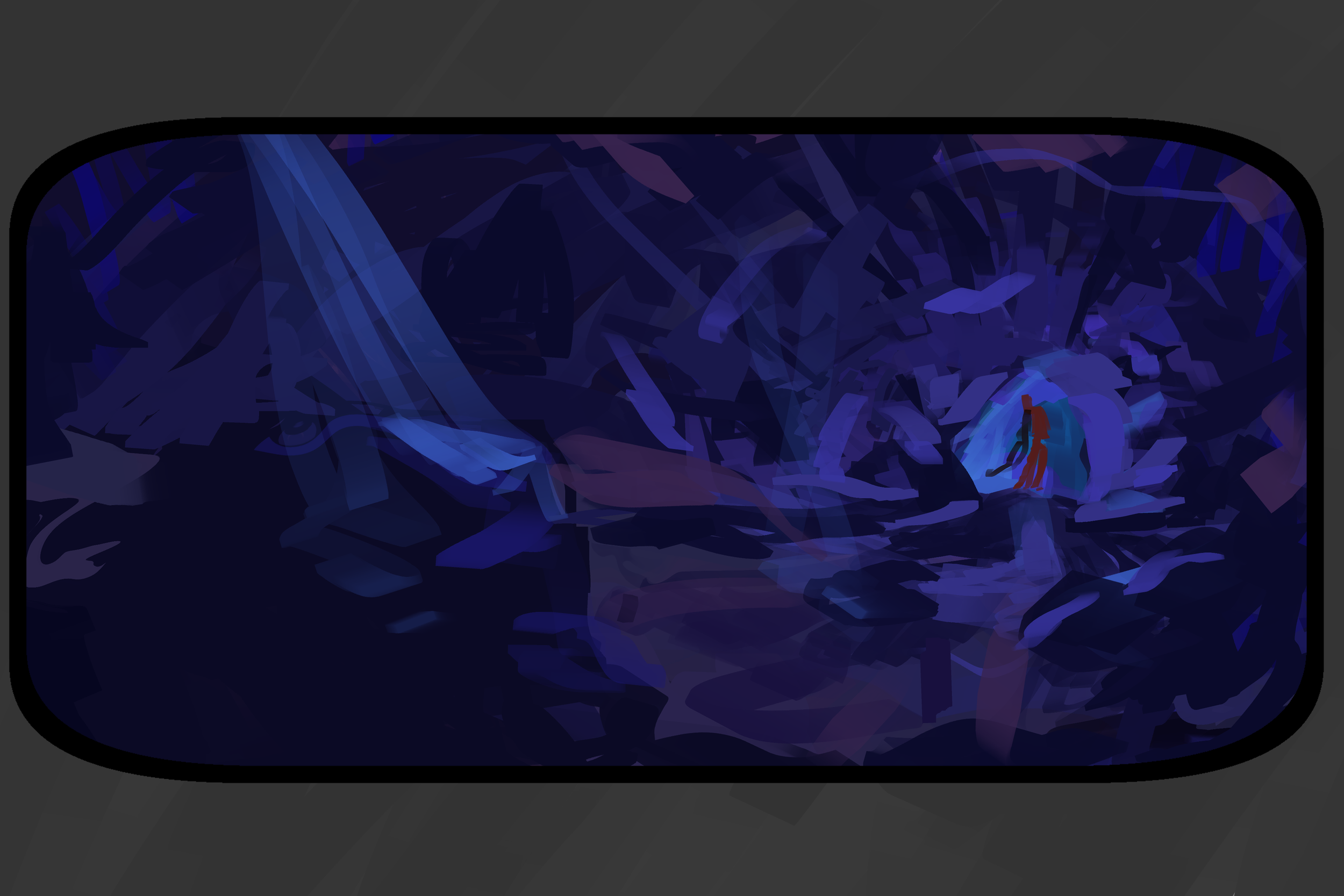
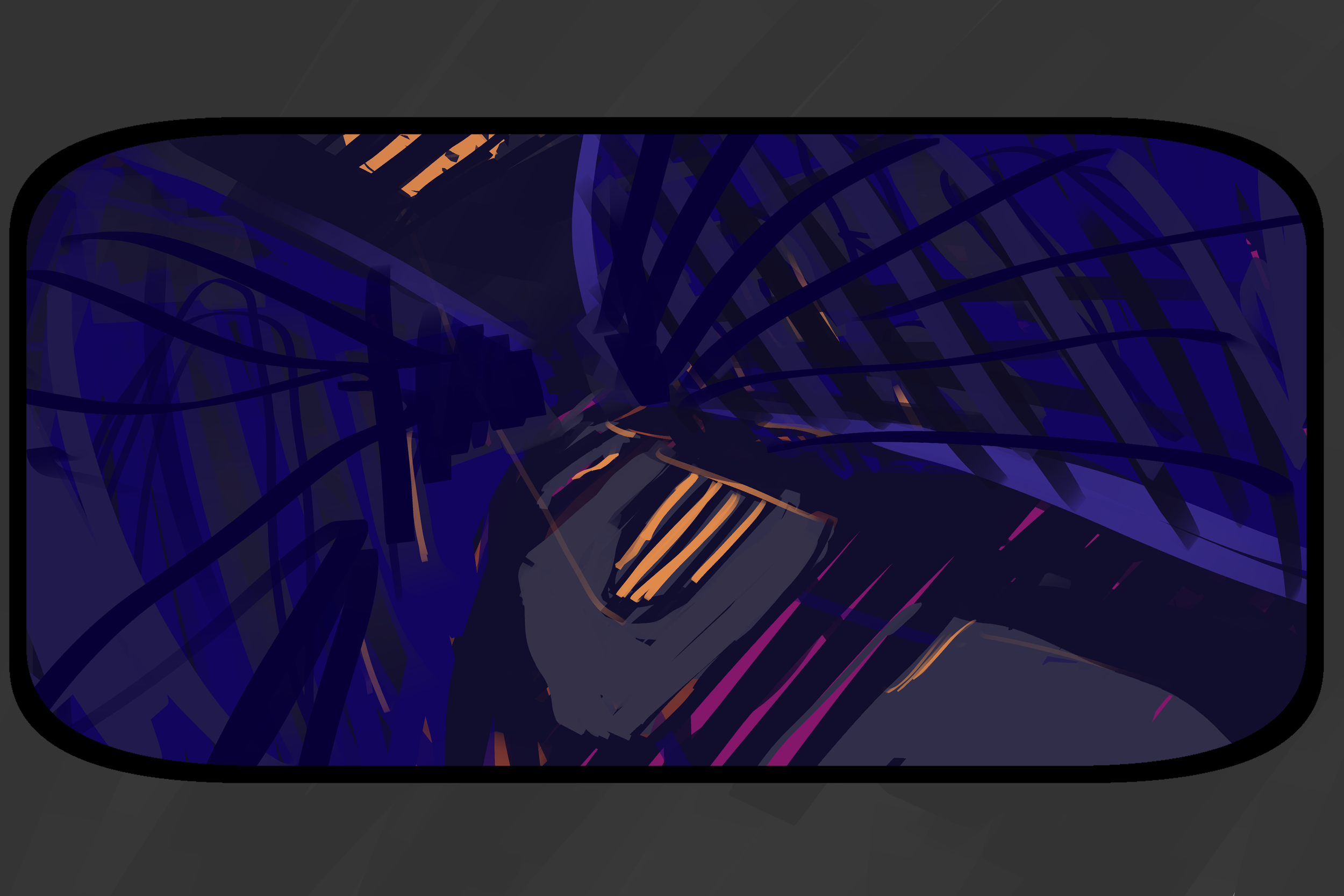
I was pretty excited to get to this part because it let me have a try at something I’ve been wanting to do for awhile.
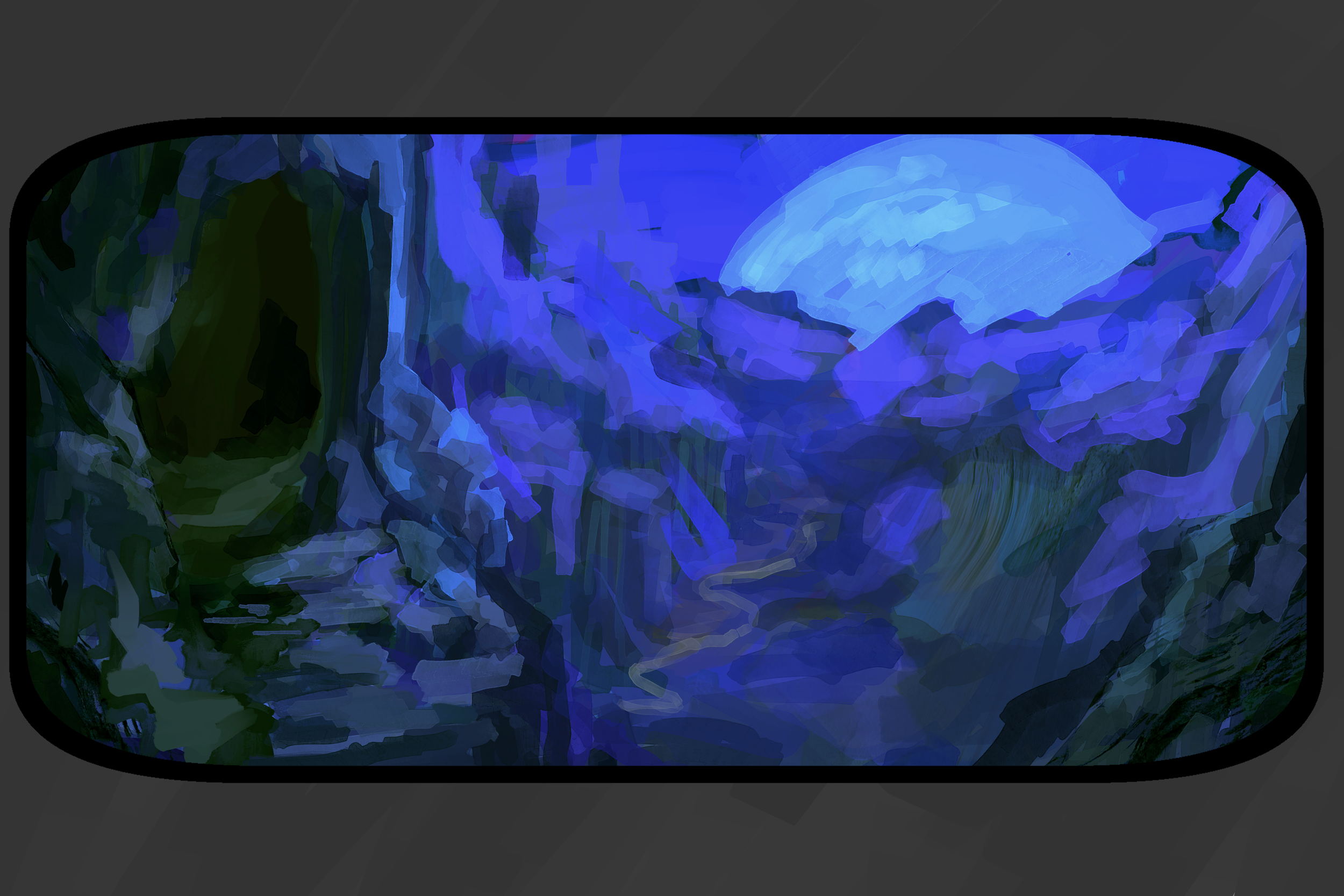
I wanted to make a stylized painted background and camera map it to maintain the idea that what you were looking at was a crafted set. I got the idea after visiting France a year ago and going to the Musée Méliès. They had George Melies films playing there on loop and I really enjoyed how I was aware of the films artificiality but it never affected my suspension of disbelief.
Based on the boards, I made three color comps of potential settings. A valley outside a cave, the inside of a cave and the prison. I decided to go for the valley since it allowed for more improvisation in terms of shot compositions. I wound up using the prison but simplified it to a single shot inside Dr. Marsch’s cell (described as not being tall enough for him to sit up but long enough to spread his arms).
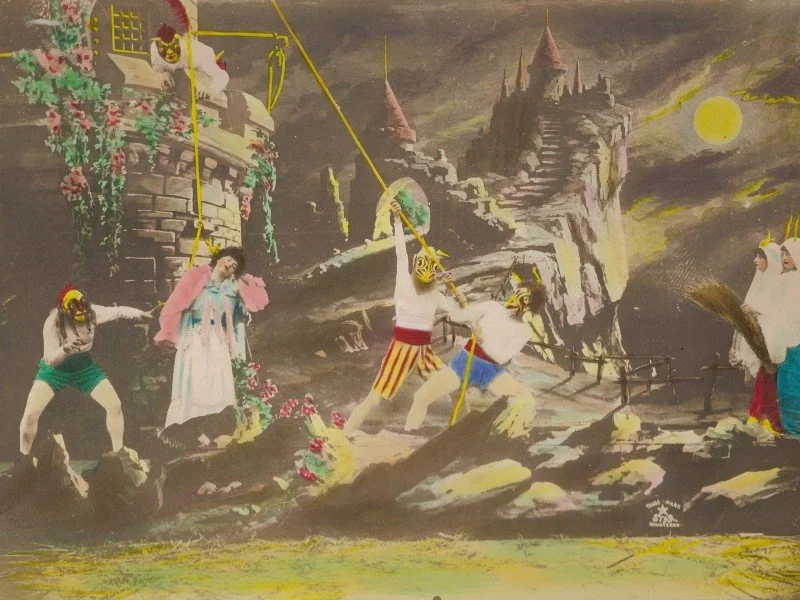
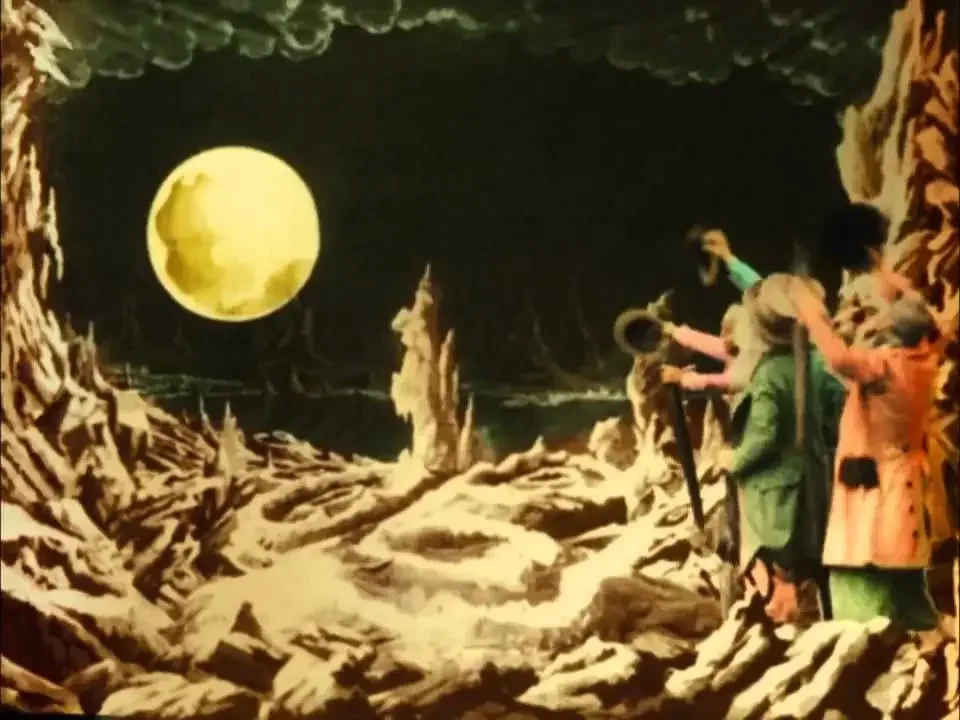
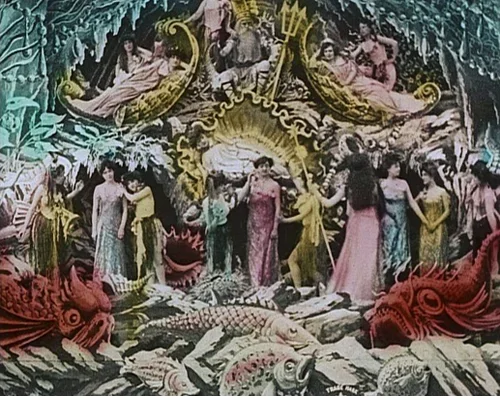
( Images from George Melies’ films. )
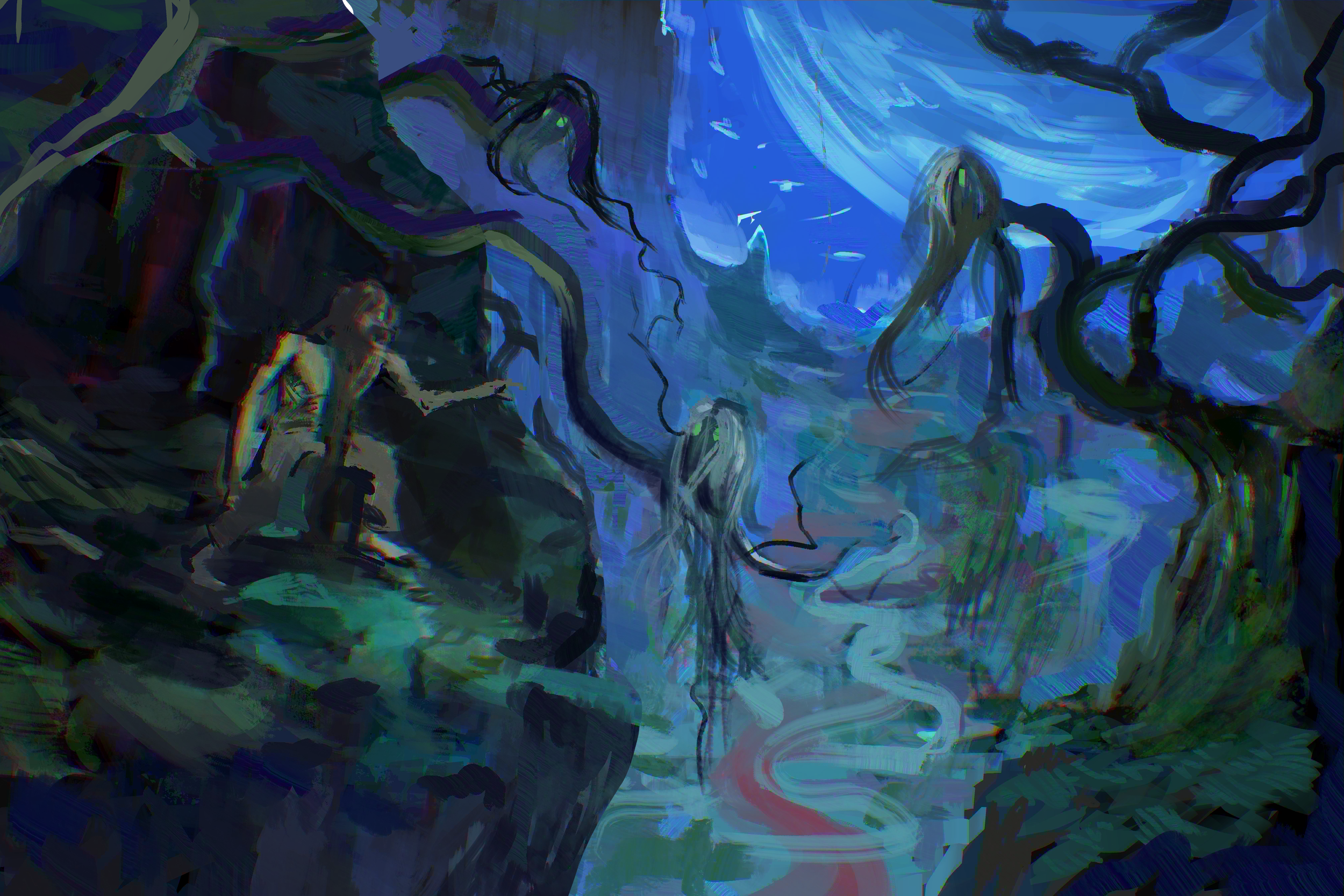
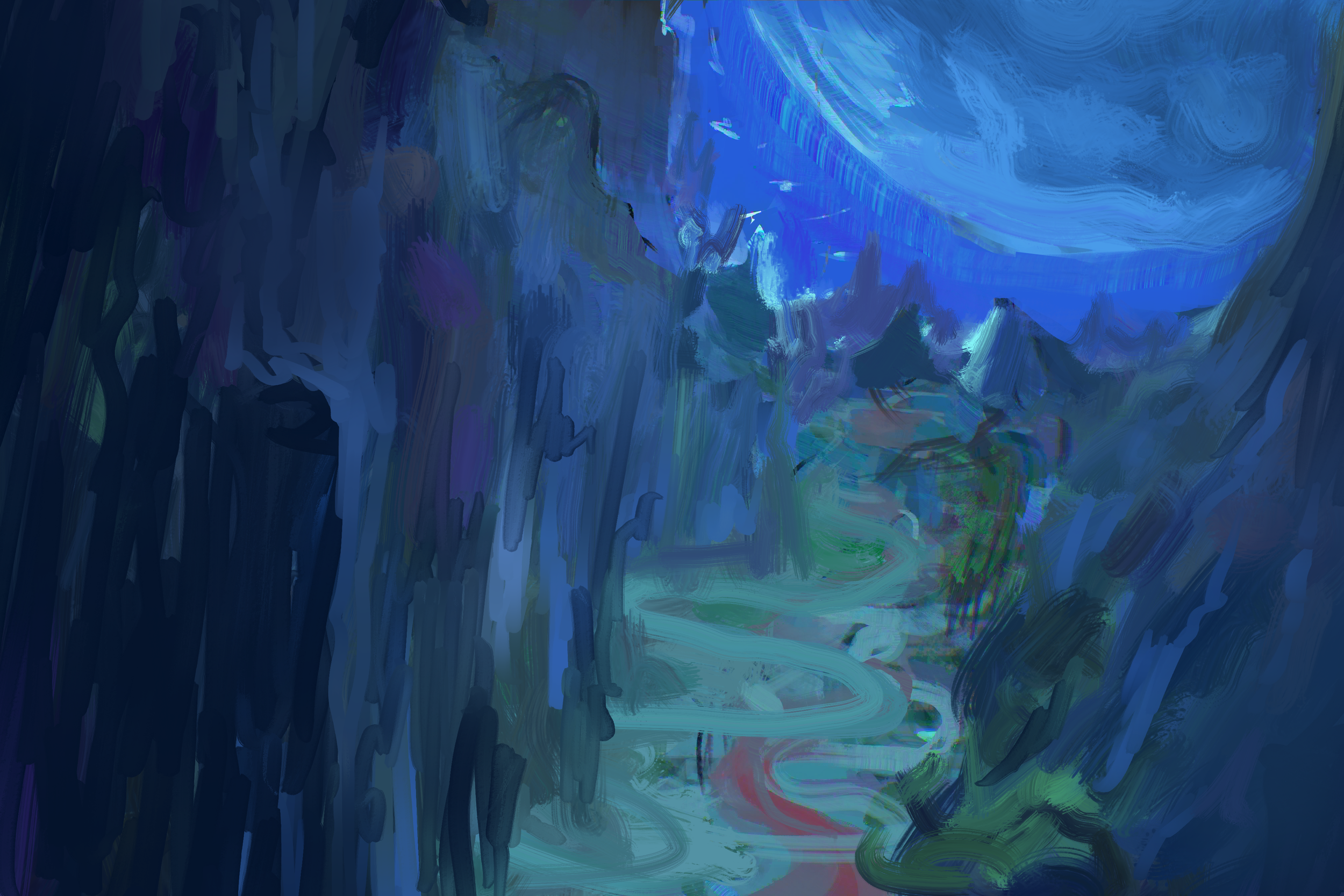
The image on the left (above on mobile) is what I used to conceptualize how a shot might look like with the foreground, middle-ground and background subdivided. The one on the right is the one I ended up chopping up into transparent planes. The foreground element would then be replaced by 3D models to give the impression of a stage.
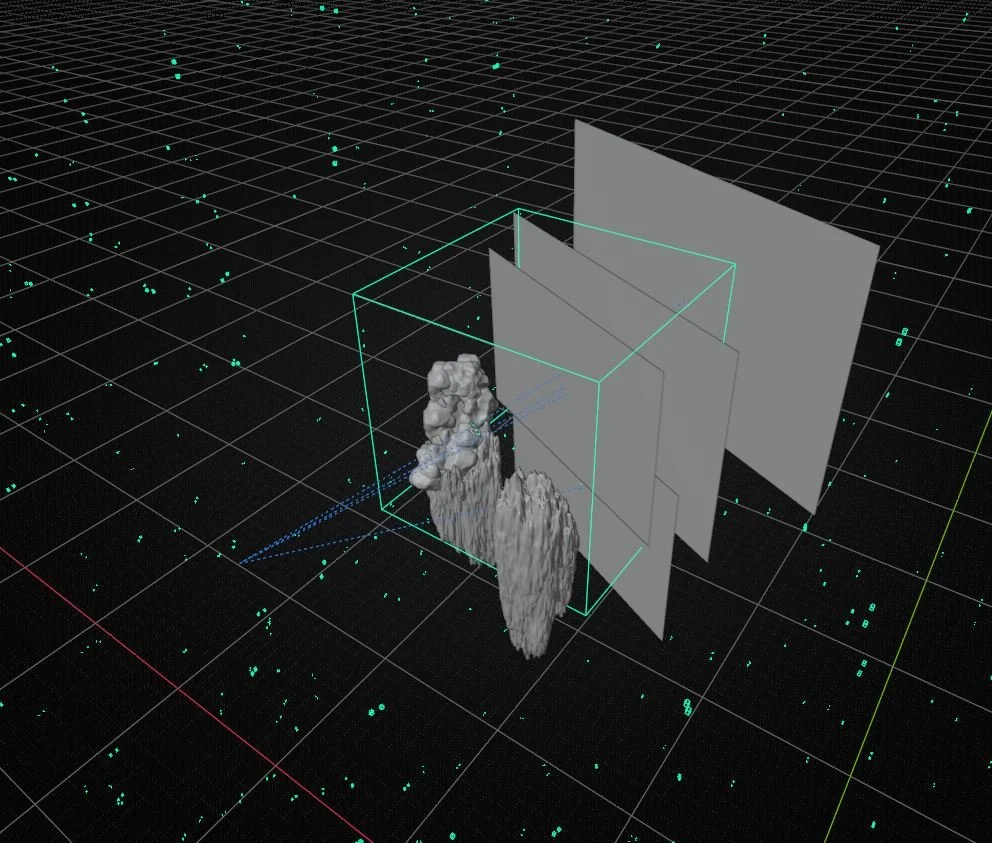
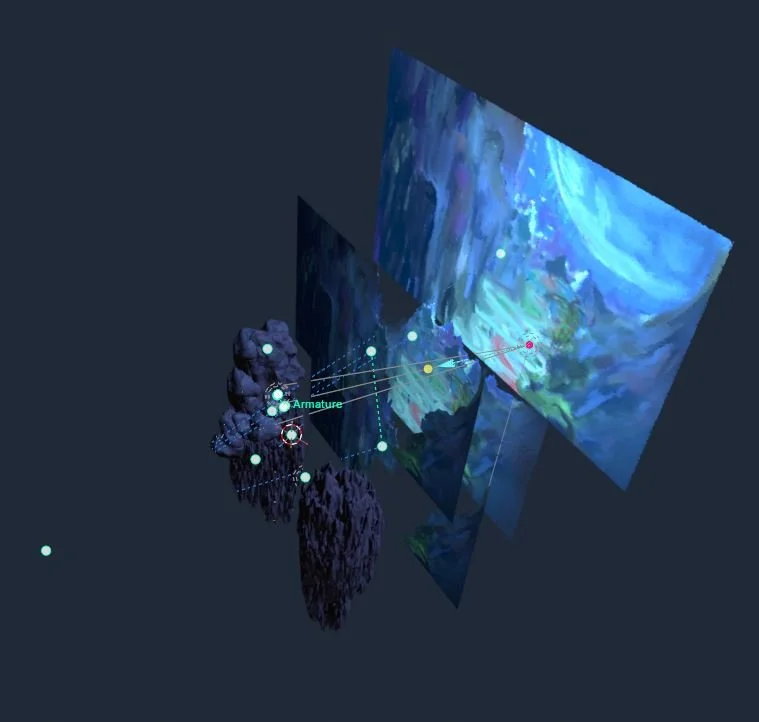
I originally tried projecting the background onto a sculpted plane but found a layered setup to be a lot easier to manage with different angles. I placed a cube with a particle system and that added extra texture moving bits which I retroactively turned into a story element.
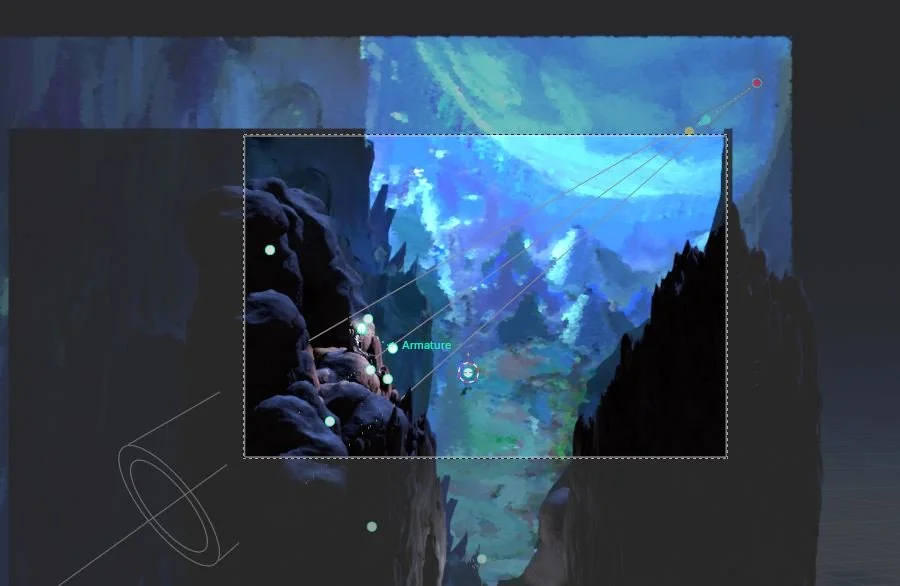
Planes were tracked to the camera. Emissions on the planes plus a simple Voronoi Texture to give a sense of depth.
Nothing complicated for the model textures, all free from Blenderkit. Rocks were procedurally made with subdivision and decimate modifiers.
I placed a spotlight on the foreground to give that staged-feel.
In the end it really did feel like I was making a puppet show.
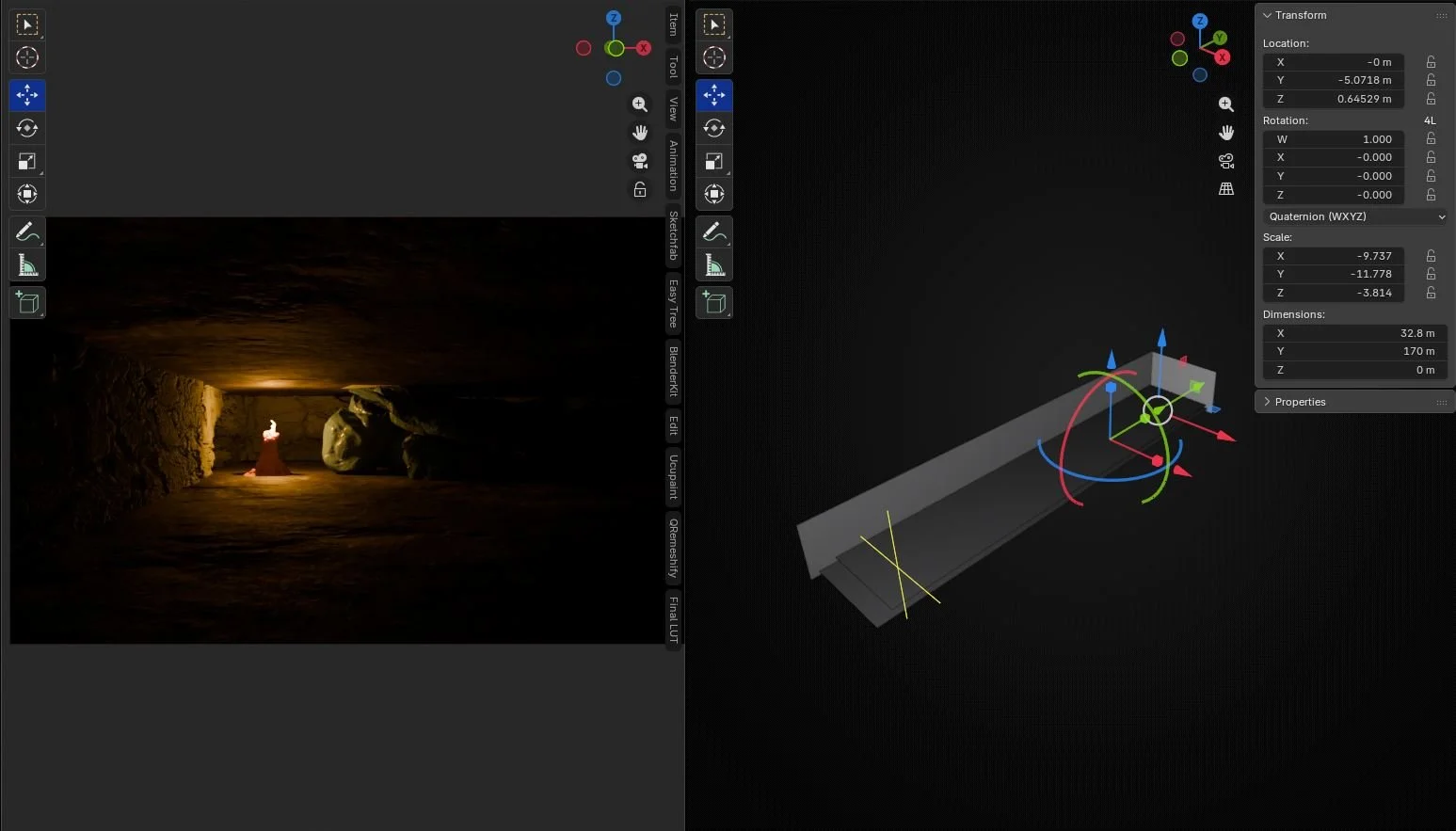
The prison set was even simpler.
Just a bunch of planes in an array with key-framed positions on the textures. I was wondering how he might continue writing while in his cell and while it is possible he simply wrote on the ground; I thought it really dramatic if he wrote with the paper pushed up against the ceiling.
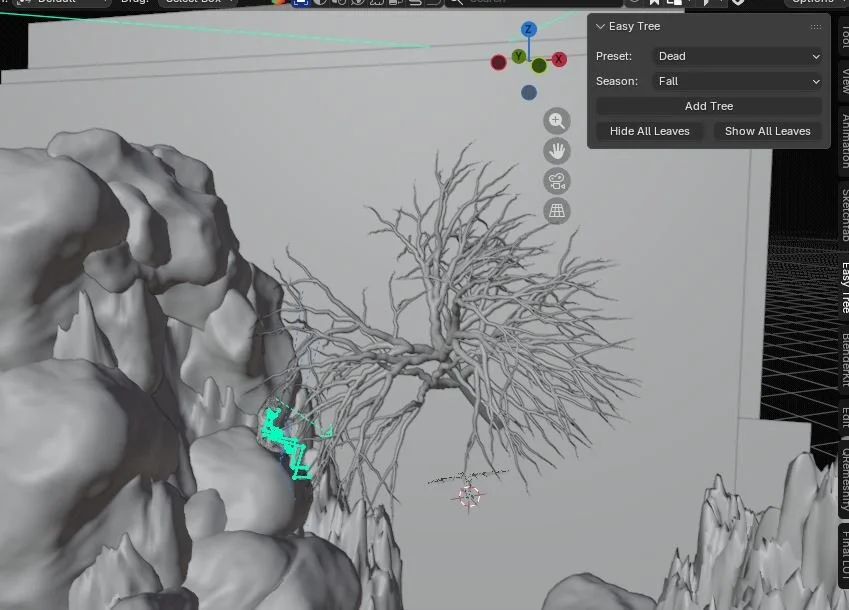
The tree branches were just a key-framed Easy Tree outside the shot.
The story uses a lot of personifications when describing trees and so an interaction between the Marsch-Rig and the trees could be interesting. Like he’s unaware he already found some glimpse of the planet’s native life but his own preconceptions stop him from understanding what’s in front of him.
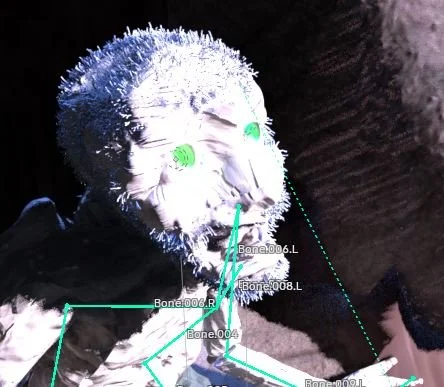
The beard got simplified into simple hair curves because I felt doing something more complex with geometry nodes would be too distracting.
Also I just liked showing off his expression and a full beard would hide that. Narrative-wise, it could also hint at our narrator’s naivety.
Nothing complicated for composite nodes. The glare did most of the heavy lifting here.
Rendered with Eevee and then exported as an EXR sequence. (The funnest part)
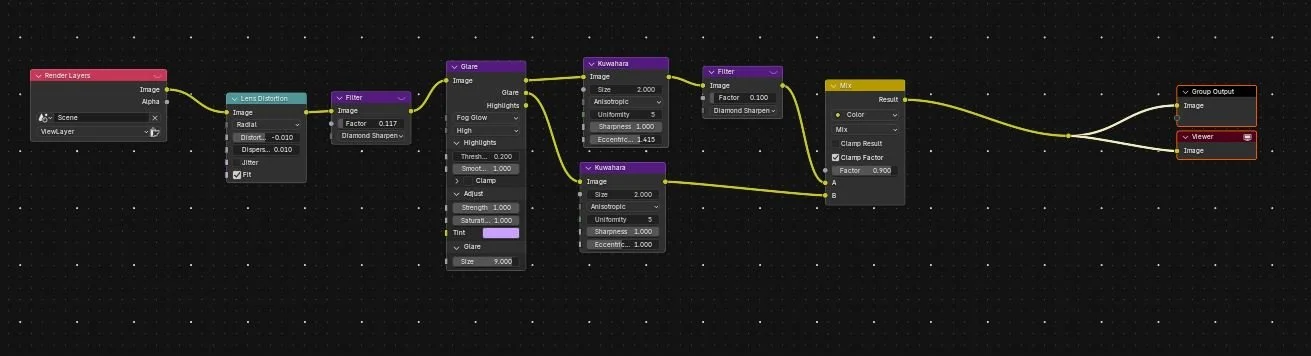
Post Processing:
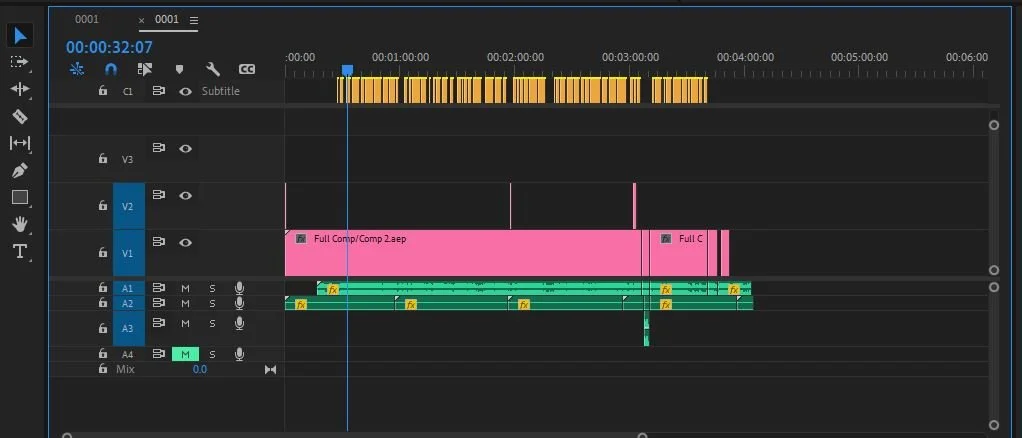
Editing and subtitles in Premiere Pro.
Compositing in After Effects was pretty handy in that I could drop the AE Comp into my timeline and go back and forth between adjusting and cutting.
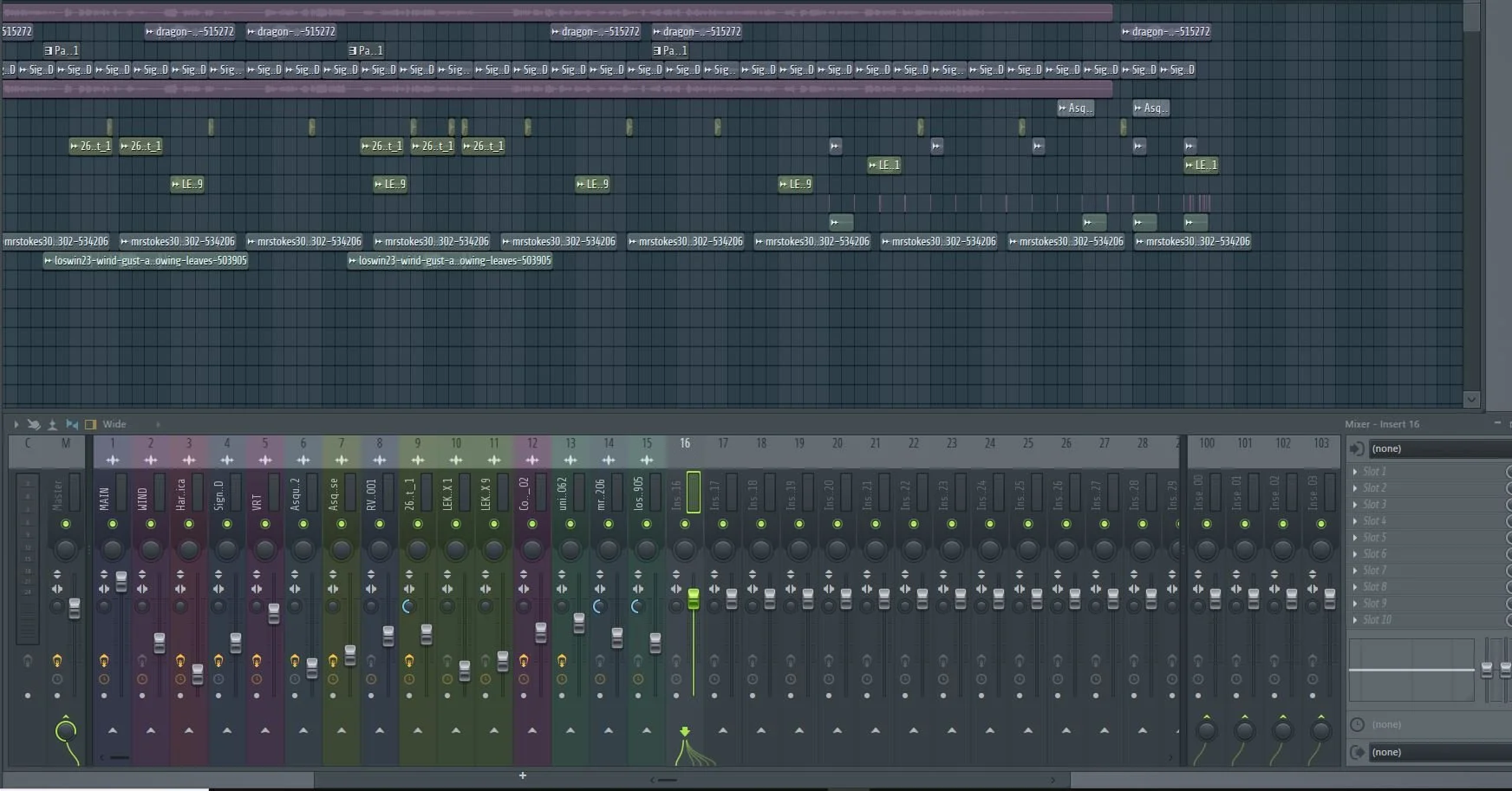
Audio mixing and sound done in FL Studio.
Narration from an older audiobook of the novel narrated by Anthony Parker. This man’s voice did a lot to sell the whimsy of it all.
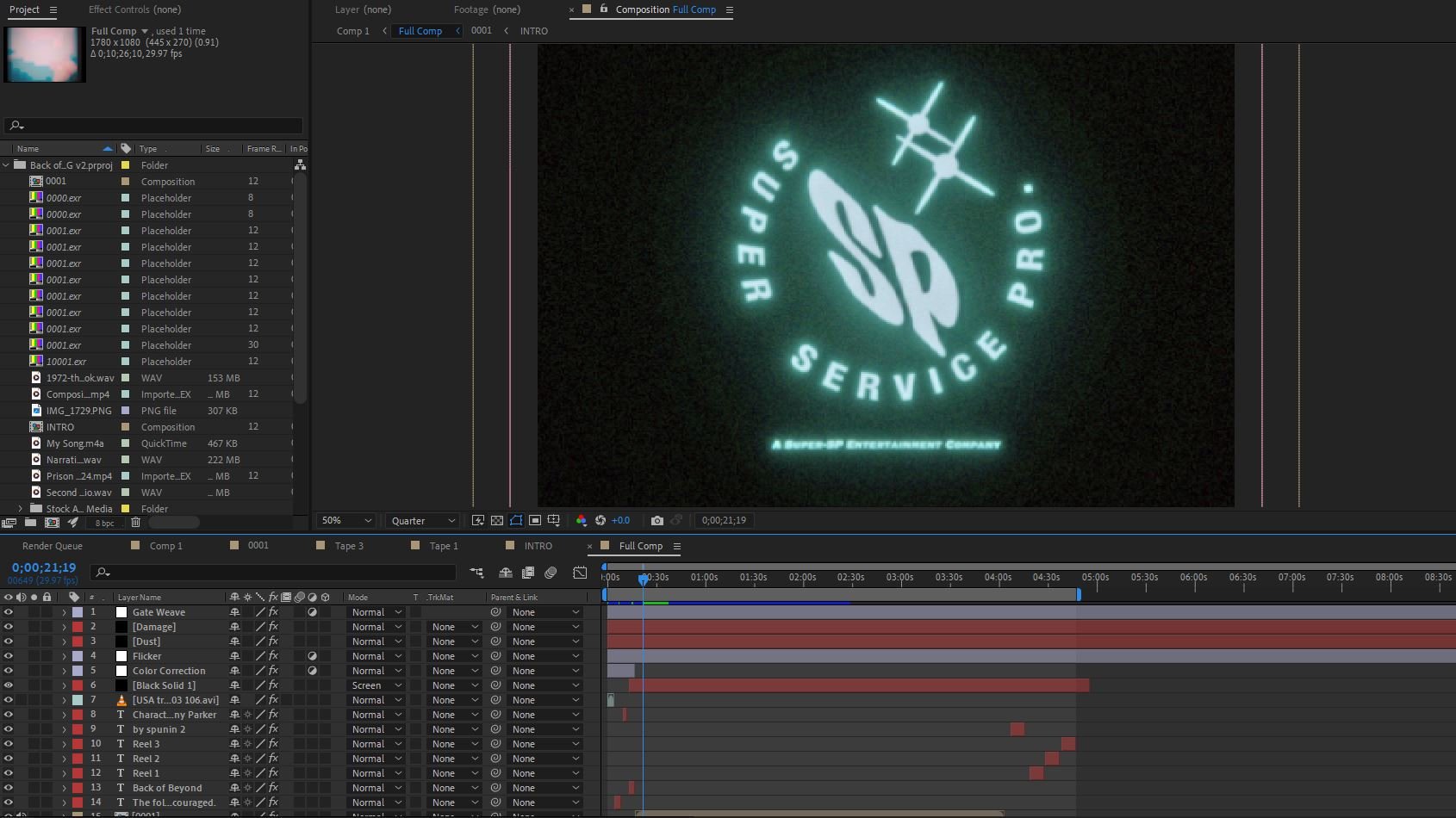
Logo made in Clip Studio Paint (as well as the paintings).
Aside from color correction, some glow and edited noise textures to create the jittery film look. Mostly automated with expressions.
And that’s a wrap!
If anything, I hope this got you to read the book. It is one that accompanied me through a very busy time in my life.
Thank you for your time.
-EB